Bulk-Packed Cross Brand Compatible Pods: Quality Control Steps
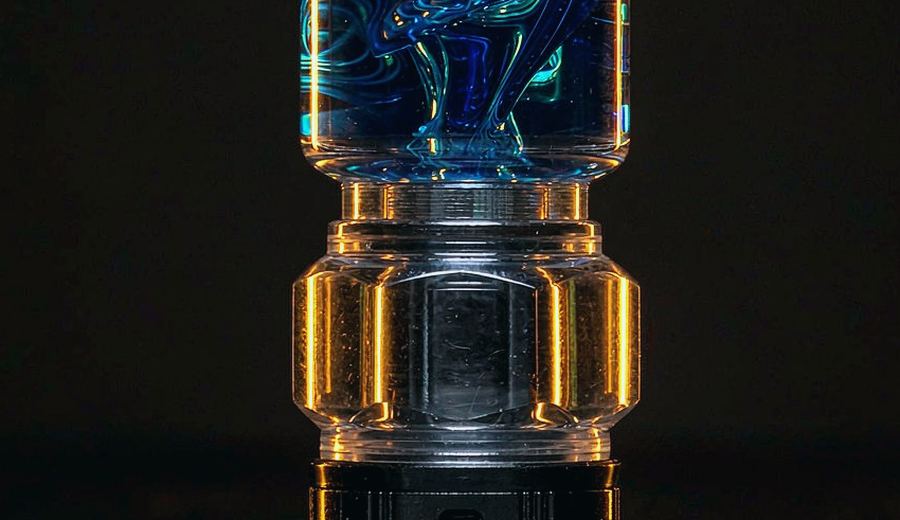
Most problems with Cross Brand Compatible Pods are not product problems — they are specification, packaging or timing problems that were visible in advance. This page is a checklist for catching them while they are still cheap to fix.
Who Buys Cross Brand Compatible Pods and Why
specialty tobacconists tend to reorder Cross Brand Compatible Pods on a rhythm rather than in one large batch. That rhythm is driven by shelf turnover, seasonal footfall and how quickly a flavour or format goes stale in the local market. Understanding who your end buyer is makes the reorder maths much easier.
Demand for Cross Brand Compatible Pods rarely comes from a single customer type. Some specialty tobacconists want steady replacement stock, others want something seasonal they can merchandise for six weeks. Those two buying patterns need different carton sizes and different delivery windows, so it is worth separating them when you plan.
Shipping Routes, Transit Time and Freight Options
Transit time for Cross Brand Compatible Pods depends far more on the route and the season than on the distance. Peak periods add days at both ends, and consolidations add handling. Build the realistic window into your reorder point rather than the best case the forwarder quotes.
Freight quotes for Cross Brand Compatible Pods move with fuel surcharges, currency and space availability. Ask whether the rate is fixed for a period or spot-quoted per shipment, because that single detail determines how predictable your landed cost will be over a year.
Choosing between sea, air and express for Cross Brand Compatible Pods is a margin question, not a speed question. Sea freight protects unit economics on planned volume; air rescue shipments protect shelf availability. Most importers end up using both, and planning for that is cheaper than improvising.

Customs, Duties and Compliance Paperwork
Classification is the decision that shapes everything else on a Cross Brand Compatible Pods shipment. Duty rate, licence requirements and inspection probability all follow from the code used. If you are unsure, get a written classification opinion before the vessel sails, not after the goods are held.
Paperwork delays cost more than duties on most Cross Brand Compatible Pods imports. A complete set — commercial invoice, packing list, certificate of origin and any product-specific declaration — should be prepared while the goods are in production, not requested the week of arrival.
After-Sales, Warranty and Spare Parts
Set the claim window for Cross Brand Compatible Pods in writing — how many days after arrival you can report an issue and what evidence is needed. Clear terms on both sides make the rare dispute quick to resolve.
Spare parts availability is easy to overlook on Cross Brand Compatible Pods and painful to discover later. Ask which components are stocked, how long they are supported, and what the minimum order is for a parts-only shipment.
Clarify what happens after Cross Brand Compatible Pods arrives. A written agreement on how defects are credited, how quickly claims are settled, and who pays for return freight is worth more than a friendly promise made during negotiation.
| Order Stage | Working Days | What Happens |
|---|---|---|
| Specification sign-off | 5 working days | Confirms tolerances and materials |
| Sampling | 5–4 working days | Production units, not showroom pieces |
| Production | 4 working days | Scheduled against your slot |
| Inspection and packing | 5 working days | Photographs included in the report |
Minimum Order Quantities and Carton Planning
Plan Cross Brand Compatible Pods cartons around how the goods will actually be handled: how many times they are transferred, what the last leg looks like, and whether the carton will be opened for inspection. Those answers matter more to damage rates than the carton grade on paper.
MOQ on Cross Brand Compatible Pods is usually set by whatever makes a production run efficient, not by any fixed rule. If your requirement is below the standard minimum, ask whether a mixed carton or a shared production slot is possible instead of accepting a large surplus you cannot sell through.
Pricing Structure and Where The Money Goes
Price breaks on Cross Brand Compatible Pods usually step at carton, pallet and container levels rather than sliding smoothly. Knowing where those steps sit tells you whether adding another 4 units actually improves your margin or just ties up cash in the warehouse.
Most surprises in Cross Brand Compatible Pods pricing hide in the lines nobody quotes: artwork setup, carton printing plates, extra colourways, and the difference between ex-works and delivered terms. Ask for the quotation split into product, packaging and logistics and the comparison becomes straightforward.
Unit price is only part of what Cross Brand Compatible Pods costs you. Tooling, labelling, carton packing, inland haulage, port charges and payment fees all sit on top. A quotation that looks 5 percent cheaper can reverse once those lines are added, so compare landed cost, not the headline number.

Negotiation Levers That Actually Work
The most reliable negotiation on Cross Brand Compatible Pods is a calendar, not a threat. Show a supplier twelve months of predictable orders and you will get a better response than from any single large enquiry.
Volume commitments, predictable scheduling and fast payment are the three levers that genuinely move Cross Brand Compatible Pods pricing. Asking for a discount without offering any of them rarely gets you further than the published price list.
- Compare landed cost, not headline unit price
- Treat the first shipment as a test and the second as the real order
- Keep a reorder calendar instead of reacting to stockouts
- Plan cartons around real handling, not catalogue photos
- Confirm labelling rules for the destination at order time
Every Cross Brand Compatible Pods order starts the same way here — a short conversation about volume, market and timing. If the fit is right we will quote; if it is not, we will say so and point you somewhere better.
Frequently asked questions
Can I get Cross Brand Compatible Pods with my own branding?
Yes — private label is available on most Cross Brand Compatible Pods lines. The usual options are printed logos, custom colourways and bespoke outer packaging. Each carries a different setup cost and minimum, which we list separately in the quotation.
Can different variants of Cross Brand Compatible Pods be mixed in one carton?
Mixed cartons are usually possible and are a good option when you are testing a range or working below a per-variant minimum. There is normally a small packing surcharge, which we will show on the quotation.
Are there compliance requirements I should know about for Cross Brand Compatible Pods?
Requirements vary by destination and they change. We confirm the current position for your market at the point of order and supply the documentation that supports it, but the importer of record remains responsible for local compliance.
Can you handle repeat or scheduled Cross Brand Compatible Pods orders?
Yes, and it suits both sides. A scheduled cycle lets us reserve production capacity, which shortens lead times and makes pricing more stable than ad-hoc ordering.
What payment terms are available for Cross Brand Compatible Pods?
Standard terms are a deposit with the balance before shipment, with alternatives available for established accounts on scheduled programmes. We will outline what is possible once we understand the size and frequency of your orders.
Related reading
Talk to us about cross brand compatible pods bulk
Send us your target quantity, destination and timing. We answer with real options and a landed cost you can compare — normally within one working day.