Certified Cross Brand Compatible Pods: Demand Trends in 2026
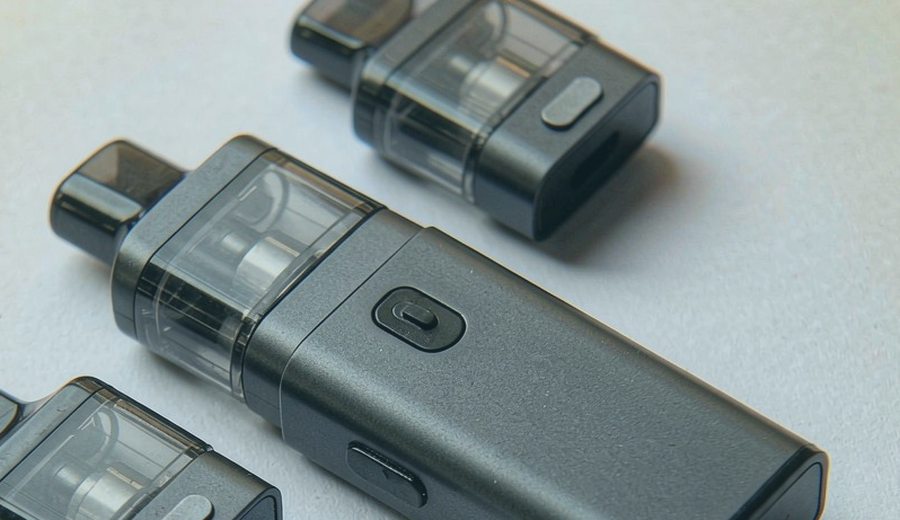
gift retailers ordering Cross Brand Compatible Pods usually care about three things — consistency, timing and margin. Everything below is organised around protecting those three, in roughly the order they come up during a real order.
Specifications Worth Checking Before You Order
A good specification for Cross Brand Compatible Pods is measurable. Capacity, resistance, material thickness and finish should all have a stated tolerance, not a marketing range. When tolerances are missing, quality arguments later become opinion against opinion, and that is a conversation you will not win from another continent.
Three specification lines cause most disputes on Cross Brand Compatible Pods orders: capacity tolerance, material grade and finish consistency. Ask for measured values rather than nominal ones, and request photographs of the actual production batch instead of a catalogue render. It takes an extra day and removes most of the risk.
Minimum Order Quantities and Carton Planning
Carton planning decides whether Cross Brand Compatible Pods arrives in a condition you can sell. Under-filled cartons deform in transit; over-filled ones split at the seams. Aim for a fill that leaves the carton rigid without compressing the product, and check the stacking height against your pallet pattern.
MOQ on Cross Brand Compatible Pods is usually set by whatever makes a production run efficient, not by any fixed rule. If your requirement is below the standard minimum, ask whether a mixed carton or a shared production slot is possible instead of accepting a large surplus you cannot sell through.
Plan Cross Brand Compatible Pods cartons around how the goods will actually be handled: how many times they are transferred, what the last leg looks like, and whether the carton will be opened for inspection. Those answers matter more to damage rates than the carton grade on paper.

Common Mistakes Buyers Make
The third mistake is treating the first order as the final specification. Cross Brand Compatible Pods improves once you feed back what the market did with it. Buyers who treat the first shipment as a test and the second as the real order usually end up with better margins.
The most expensive mistake with Cross Brand Compatible Pods is ordering the full quantity before evaluating a sample. Production samples, not showroom units, are what you will receive. Run the sample through the handling it will actually face and only then commit.
Packaging, Labelling and Shelf Readiness
Labelling rules move, and Cross Brand Compatible Pods is no exception. Build a habit of confirming the current requirement for each destination at the point of order rather than reusing last year's artwork file. The cost of a reprint is small; the cost of a detained shipment is not.
Shelf presentation is where Cross Brand Compatible Pods either sells or sits. Carton dimensions, facing count and how quickly a shopper can read the flavour all affect turnover. If the packaging only works in a warehouse, you have pushed that cost onto the retailer.
Retail-ready packaging changes the economics of Cross Brand Compatible Pods more than most buyers expect. Barcodes, language variants and warning statements vary by destination, and fixing them after production means relabelling by hand. Confirm the artwork requirements for your market before the run starts.
| Check Point | Method | Acceptance Criteria |
|---|---|---|
| Carton count | Physical count | Must match the packing list exactly |
| Appearance | Random sampling | Defect rate below the agreed threshold |
| Function check | Sampled units | Consistent with the approved sample |
| Packaging integrity | Drop and seal check | No deformation at arrival |
After-Sales, Warranty and Spare Parts
Set the claim window for Cross Brand Compatible Pods in writing — how many days after arrival you can report an issue and what evidence is needed. Clear terms on both sides make the rare dispute quick to resolve.
Spare parts availability is easy to overlook on Cross Brand Compatible Pods and painful to discover later. Ask which components are stocked, how long they are supported, and what the minimum order is for a parts-only shipment.
Choosing Between Air, Sea and Express
For Cross Brand Compatible Pods, the break-even between air and sea is mostly about how long your cash is tied up and how quickly the stock turns. Fast-moving lines can justify air; slow ones almost never can.
Sea freight suits planned Cross Brand Compatible Pods volume, air suits genuine urgency, and express suits samples and small top-ups. Matching the mode to the reason, rather than to the deadline panic, is what keeps freight spend proportionate.
Ask your forwarder for the all-in door-to-door figure for Cross Brand Compatible Pods rather than the port-to-port rate. The difference between the two numbers is usually where freight budgets quietly disappear.
What Cross Brand Compatible Pods Actually Covers
Before comparing prices, it helps to agree on what counts as Cross Brand Compatible Pods. In day-to-day trade the term covers a fairly wide band of products, and two suppliers can quote very different things under the same label. Ask for a specification sheet that lists materials, dimensions and what is included in each unit, then compare that against what actually arrives in the carton.
The phrase Cross Brand Compatible Pods gets used loosely in export enquiries, which is why quotations sometimes look impossible to compare. One factory may price a bare unit while another includes retail packaging, labelling and a master carton. Getting the scope written down first saves a round of emails and, more importantly, stops you from discovering the difference after the goods land.
- Request the full document set during production
- Keep a reorder calendar instead of reacting to stockouts
- Confirm labelling rules for the destination at order time
- Agree the specification in writing before sampling Cross Brand Compatible Pods
- Book inspection while there is still time to rework
We keep the ordering process for Cross Brand Compatible Pods deliberately simple: agree the specification, approve a sample, confirm the carton plan, then ship. If that sounds like the way you prefer to work, get in touch with your requirements.
Frequently asked questions
Can different variants of Cross Brand Compatible Pods be mixed in one carton?
Mixed cartons are usually possible and are a good option when you are testing a range or working below a per-variant minimum. There is normally a small packing surcharge, which we will show on the quotation.
How do you price Cross Brand Compatible Pods compared with a trading company?
We quote from the production side, so product, packaging and logistics are listed separately rather than folded into one number. That makes comparison easier and usually shows where a competing quote has hidden its margin.
Can I get Cross Brand Compatible Pods with my own branding?
Yes — private label is available on most Cross Brand Compatible Pods lines. The usual options are printed logos, custom colourways and bespoke outer packaging. Each carries a different setup cost and minimum, which we list separately in the quotation.
What is the usual minimum order for Cross Brand Compatible Pods?
Most Cross Brand Compatible Pods production runs start at a carton-level minimum rather than a single unit. The exact figure depends on how many variants you need and whether the packaging is standard or custom printed, so it is worth asking with your actual mix in mind.
What documentation comes with a Cross Brand Compatible Pods shipment?
A standard shipment includes commercial invoice, packing list and certificate of origin, with product-specific declarations where the destination requires them. We prepare the set during production so it is ready before the goods arrive.
Related reading
Talk to us about cross brand compatible pods bulk
Send us your target quantity, destination and timing. We answer with real options and a landed cost you can compare — normally within one working day.