Cross Brand Compatible Pods Orders: Risk Control for Importers
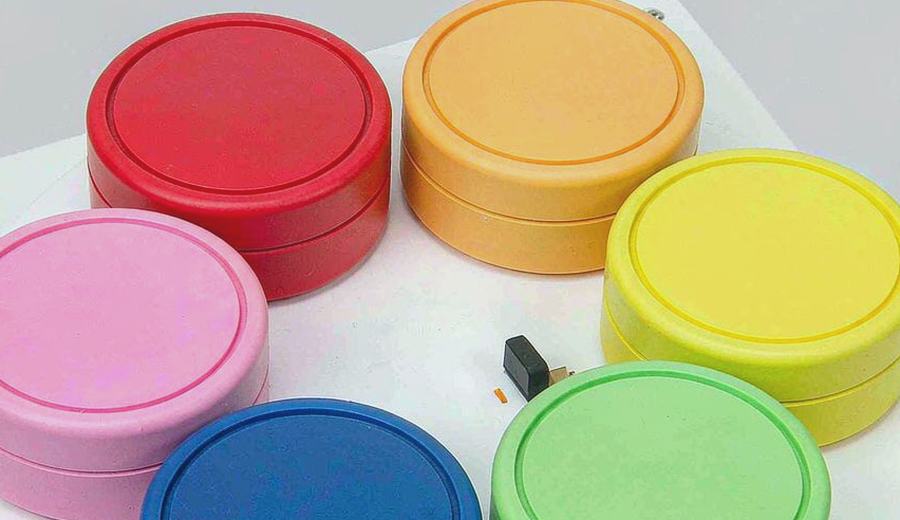
Cross Brand Compatible Pods looks straightforward until you start comparing quotations. Then the variables appear: carton sizes, labelling rules, tolerances, freight terms. The notes below walk through them in the order a real order encounters them.
Margin Maths for Retailers
A useful exercise with Cross Brand Compatible Pods: calculate what a 5 percent improvement in landed cost does to annual profit, and compare that with what a 5 percent price increase does. The first is usually easier and does not risk volume.
Retailers who track Cross Brand Compatible Pods by margin per shelf metre rather than margin per unit consistently make better range decisions. The product that earns slightly less per unit but turns twice as fast is usually the better use of the space.
Specifications Worth Checking Before You Order
A good specification for Cross Brand Compatible Pods is measurable. Capacity, resistance, material thickness and finish should all have a stated tolerance, not a marketing range. When tolerances are missing, quality arguments later become opinion against opinion, and that is a conversation you will not win from another continent.
Three specification lines cause most disputes on Cross Brand Compatible Pods orders: capacity tolerance, material grade and finish consistency. Ask for measured values rather than nominal ones, and request photographs of the actual production batch instead of a catalogue render. It takes an extra day and removes most of the risk.
Write the specification for Cross Brand Compatible Pods the way a warehouse would check it: what can be counted, weighed or measured in five minutes. That phrasing survives the jump from sales team to production line far better than adjectives do.

Sustainability and Packaging Waste
If your market expects recyclable materials for Cross Brand Compatible Pods, ask what the factory can actually supply rather than assuming. The gap between what is available and what is requested is usually narrower than buyers expect.
Packaging waste is becoming a purchasing question rather than a marketing one. Right-sizing cartons for Cross Brand Compatible Pods reduces both material cost and freight cost, which makes it one of the few changes that helps margin and footprint at once.
Documentation Set You Should Request
Ask for a complete document set with Cross Brand Compatible Pods: invoice, packing list, origin certificate, batch identification and any product-specific test reports. Requesting them during production is routine; requesting them after arrival is a problem.
Good documentation on Cross Brand Compatible Pods tells you who made the goods, when, and to what specification. That matters for traceability if a batch is ever questioned, and it matters for your own stock rotation.
Keep a single folder per Cross Brand Compatible Pods shipment: quotation, approved sample reference, inspection report and shipping documents. Six months later, when you are reordering, that folder is the fastest way to repeat a good result.
| Cost Component | Share of Landed Cost | Notes |
|---|---|---|
| Product cost | 5% of landed cost | Moves with volume and specification |
| Packaging | 14% of landed cost | Higher for retail-ready formats |
| Freight and handling | 8% of landed cost | Route and season dependent |
| Duty and clearance | Destination specific | Follows from classification |
Negotiation Levers That Actually Work
Volume commitments, predictable scheduling and fast payment are the three levers that genuinely move Cross Brand Compatible Pods pricing. Asking for a discount without offering any of them rarely gets you further than the published price list.
The most reliable negotiation on Cross Brand Compatible Pods is a calendar, not a threat. Show a supplier twelve months of predictable orders and you will get a better response than from any single large enquiry.
Seasonal Demand and Reorder Timing
Reorder timing for Cross Brand Compatible Pods should be calculated backwards from the shelf, not forwards from the factory. Start with the week you need stock, subtract the realistic transit window, add a buffer for inspection, and you have your order date.
Demand for Cross Brand Compatible Pods is seasonal in most markets, and the season shifts by a few weeks each year. Track your own sell-through by week rather than by month — weekly data shows the turn early enough to reorder comfortably.
Most stockouts on Cross Brand Compatible Pods are planning failures rather than supply failures. The goods were available; the order simply went in three weeks late. A written reorder calendar removes most of that risk for very little effort.

Who Buys Cross Brand Compatible Pods and Why
Demand for Cross Brand Compatible Pods rarely comes from a single customer type. Some wholesalers want steady replacement stock, others want something seasonal they can merchandise for six weeks. Those two buying patterns need different carton sizes and different delivery windows, so it is worth separating them when you plan.
The buyers behind Cross Brand Compatible Pods orders are usually pragmatic. They care about whether the product sells through, whether it arrives intact, and whether the next shipment will match the last one. Everything else is secondary, which is why consistency beats novelty in most reorder conversations.
- Track weekly sell-through to catch the seasonal turn
- Split very large Cross Brand Compatible Pods orders across production slots
- Plan cartons around real handling, not catalogue photos
- Use one approved sample reference for every repeat order
- Confirm labelling rules for the destination at order time
We keep the ordering process for Cross Brand Compatible Pods deliberately simple: agree the specification, approve a sample, confirm the carton plan, then ship. If that sounds like the way you prefer to work, get in touch with your requirements.
Frequently asked questions
What is the best way to start a Cross Brand Compatible Pods enquiry?
The most useful starting message is short: product, approximate quantity, destination and target timing. With those four pieces of information we can usually respond with real options the same working day.
Can different variants of Cross Brand Compatible Pods be mixed in one carton?
Mixed cartons are usually possible and are a good option when you are testing a range or working below a per-variant minimum. There is normally a small packing surcharge, which we will show on the quotation.
What documentation comes with a Cross Brand Compatible Pods shipment?
A standard shipment includes commercial invoice, packing list and certificate of origin, with product-specific declarations where the destination requires them. We prepare the set during production so it is ready before the goods arrive.
Can Cross Brand Compatible Pods be shipped directly to my retail locations?
Direct-to-store is possible in many markets, though consolidation at a single warehouse is usually cheaper and easier to reconcile. We can quote both so you can compare.
What happens if a Cross Brand Compatible Pods shipment arrives damaged?
Report it within the agreed window with photographs and carton references and we will work through a credit or replacement. This is much faster when an inspection report exists, which is why we recommend one for larger orders.
Related reading
Talk to us about cross brand compatible pods bulk
Send us your target quantity, destination and timing. We answer with real options and a landed cost you can compare — normally within one working day.