Cross Brand Compatible Pods Orders: Storage and Shelf Life

There is a lot of generic advice about Cross Brand Compatible Pods online. This page tries to be more specific: the checks that actually change outcomes, the numbers worth asking for, and the questions that separate experienced suppliers from the rest.
Quality Control Steps That Catch Problems Early
Inspection works when it happens before shipment. A pre-shipment check on Cross Brand Compatible Pods covering quantity, appearance, function and packaging typically takes a day and costs a fraction of a return. Book it early enough that a failed report still leaves time to rework.
The most useful QC report for Cross Brand Compatible Pods is a boring one: carton count, defect rate by category, photographs of the packing method, and a clear pass or fail. Narrative reports that hedge are far less useful than a simple count you can hold someone to.
Packaging, Labelling and Shelf Readiness
Shelf presentation is where Cross Brand Compatible Pods either sells or sits. Carton dimensions, facing count and how quickly a shopper can read the flavour all affect turnover. If the packaging only works in a warehouse, you have pushed that cost onto the retailer.
Retail-ready packaging changes the economics of Cross Brand Compatible Pods more than most buyers expect. Barcodes, language variants and warning statements vary by destination, and fixing them after production means relabelling by hand. Confirm the artwork requirements for your market before the run starts.
Labelling rules move, and Cross Brand Compatible Pods is no exception. Build a habit of confirming the current requirement for each destination at the point of order rather than reusing last year's artwork file. The cost of a reprint is small; the cost of a detained shipment is not.
Sample Orders and Evaluation Checklist
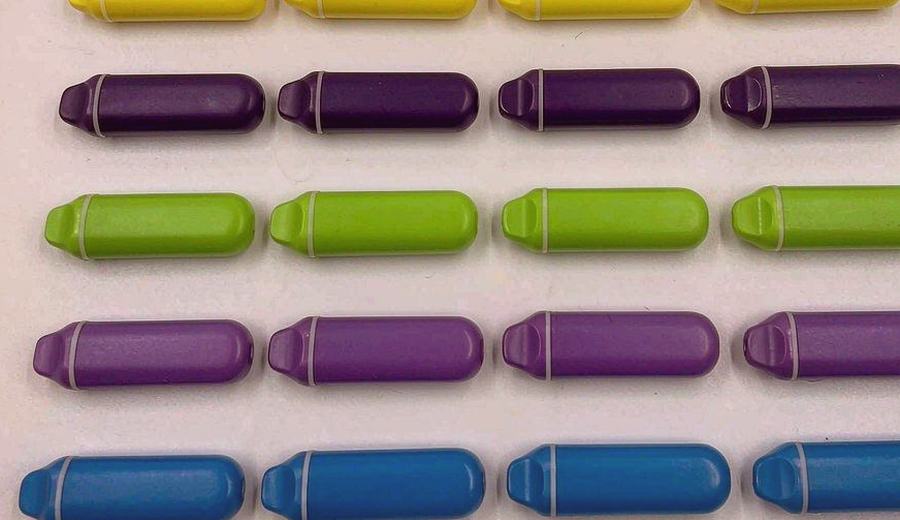
Order 8 samples of Cross Brand Compatible Pods rather than one. Single units are hand-picked; a small batch shows you what the production line actually produces, and that is what you are about to buy in volume.
A short evaluation checklist for Cross Brand Compatible Pods keeps decisions comparable: specification match, finish quality, packaging integrity, documentation completeness and how the supplier handled the request. Score each one and the choice usually becomes obvious.
Sustainability and Packaging Waste
Small packaging decisions on Cross Brand Compatible Pods compound: a carton that is 5 percent smaller often means more units per pallet, which means fewer pallets, which means lower freight per unit.
If your market expects recyclable materials for Cross Brand Compatible Pods, ask what the factory can actually supply rather than assuming. The gap between what is available and what is requested is usually narrower than buyers expect.
Packaging waste is becoming a purchasing question rather than a marketing one. Right-sizing cartons for Cross Brand Compatible Pods reduces both material cost and freight cost, which makes it one of the few changes that helps margin and footprint at once.
| Specification | Typical Range | Why It Matters |
|---|---|---|
| Unit specification | 5–8 variant range | Defines what the factory must hold |
| Master carton | 10 units per carton | Drives freight cost per unit |
| Production lead time | 5–8 working days | Sets your reorder point |
| Inspection window | 10 day report turnaround | Must fit before vessel cut-off |
Common Mistakes Buyers Make
Skipping the carton check is a close second. Packaging failures on Cross Brand Compatible Pods shipments rarely show up as a visible defect; they show up as scuffed retail units that will not sell at full price. Open a few cartons at random before signing off.
The third mistake is treating the first order as the final specification. Cross Brand Compatible Pods improves once you feed back what the market did with it. Buyers who treat the first shipment as a test and the second as the real order usually end up with better margins.
Building A Repeatable Replenishment Cycle
A repeatable cycle for Cross Brand Compatible Pods has three inputs: weekly sell-through, lead time and buffer. Once those are written down, reordering becomes a routine task instead of a decision, and routine tasks are the ones that actually happen.
Scheduled replenishment for Cross Brand Compatible Pods gives you leverage you do not get with ad-hoc orders. A supplier who can see your next four shipments will prioritise your production slot, and that priority is worth more than a small discount.
Most importers of Cross Brand Compatible Pods who move to a fixed monthly cycle report the same benefit: fewer emergencies. The total volume ordered barely changes, but the number of urgent shipments drops sharply.
Specifications Worth Checking Before You Order
A good specification for Cross Brand Compatible Pods is measurable. Capacity, resistance, material thickness and finish should all have a stated tolerance, not a marketing range. When tolerances are missing, quality arguments later become opinion against opinion, and that is a conversation you will not win from another continent.
Three specification lines cause most disputes on Cross Brand Compatible Pods orders: capacity tolerance, material grade and finish consistency. Ask for measured values rather than nominal ones, and request photographs of the actual production batch instead of a catalogue render. It takes an extra day and removes most of the risk.
- Confirm labelling rules for the destination at order time
- Plan cartons around real handling, not catalogue photos
- Use one approved sample reference for every repeat order
- Compare landed cost, not headline unit price
- Treat the first shipment as a test and the second as the real order
If you want to move on Cross Brand Compatible Pods, the fastest next step is a specification and a sample. Send us your target quantity and destination and we will come back with options, timings and a landed cost you can compare against what you have today.
Frequently asked questions
Can Cross Brand Compatible Pods be shipped directly to my retail locations?
Direct-to-store is possible in many markets, though consolidation at a single warehouse is usually cheaper and easier to reconcile. We can quote both so you can compare.
What documentation comes with a Cross Brand Compatible Pods shipment?
A standard shipment includes commercial invoice, packing list and certificate of origin, with product-specific declarations where the destination requires them. We prepare the set during production so it is ready before the goods arrive.
Do you ship Cross Brand Compatible Pods worldwide?
We ship to most markets by sea, air and express. Where a destination has specific restrictions we will flag them before you order rather than after the goods are in transit.
Do you provide samples of Cross Brand Compatible Pods before a bulk order?
Samples are available and we recommend them. A small batch rather than a single unit gives a truer picture of production consistency, and the sample cost is normally credited against a confirmed order.
How is Cross Brand Compatible Pods packed for export?
Packing depends on the product and route, but the principle is the same: inner protection, a rigid master carton and a pallet pattern that survives handling. We can send photographs of the packing method before dispatch.
Related reading
Talk to us about cross brand compatible pods bulk
Send us your target quantity, destination and timing. We answer with real options and a landed cost you can compare — normally within one working day.