OEM Cross Brand Compatible Pods: Lead Times for Gift Retailers

This guide to Cross Brand Compatible Pods is written for regional agents who need repeatable supply rather than a one-off purchase. It focuses on the decisions that change your landed cost and your shelf availability, and skips the parts that do not.
Common Mistakes Buyers Make
The third mistake is treating the first order as the final specification. Cross Brand Compatible Pods improves once you feed back what the market did with it. Buyers who treat the first shipment as a test and the second as the real order usually end up with better margins.
Skipping the carton check is a close second. Packaging failures on Cross Brand Compatible Pods shipments rarely show up as a visible defect; they show up as scuffed retail units that will not sell at full price. Open a few cartons at random before signing off.
Customs, Duties and Compliance Paperwork
Classification is the decision that shapes everything else on a Cross Brand Compatible Pods shipment. Duty rate, licence requirements and inspection probability all follow from the code used. If you are unsure, get a written classification opinion before the vessel sails, not after the goods are held.
Paperwork delays cost more than duties on most Cross Brand Compatible Pods imports. A complete set — commercial invoice, packing list, certificate of origin and any product-specific declaration — should be prepared while the goods are in production, not requested the week of arrival.
Compliance for Cross Brand Compatible Pods is destination-specific and it changes. Rather than memorising rules, build a short checklist per market and refresh it at each order. It takes twenty minutes and prevents the expensive kind of surprise.
Risk Management for Large Shipments
The simplest risk control for Cross Brand Compatible Pods is a documented paper trail: approved sample, written specification, inspection report and shipment photographs. When something does go wrong, that file is what turns a dispute into a claim.
Concentrate risk deliberately. Splitting a very large Cross Brand Compatible Pods order across two production slots costs a little more but protects you against a single bad batch wiping out a season's margin.
Quality Control Steps That Catch Problems Early
The most useful QC report for Cross Brand Compatible Pods is a boring one: carton count, defect rate by category, photographs of the packing method, and a clear pass or fail. Narrative reports that hedge are far less useful than a simple count you can hold someone to.
Agree the acceptable defect threshold for Cross Brand Compatible Pods in writing before production. Without a number, every inspection becomes a negotiation, and the negotiation always happens when you have the least leverage.
Inspection works when it happens before shipment. A pre-shipment check on Cross Brand Compatible Pods covering quantity, appearance, function and packaging typically takes a day and costs a fraction of a return. Book it early enough that a failed report still leaves time to rework.
| Specification | Typical Range | Why It Matters |
|---|---|---|
| Unit specification | 18–4 variant range | Defines what the factory must hold |
| Master carton | 7 units per carton | Drives freight cost per unit |
| Production lead time | 18–4 working days | Sets your reorder point |
| Inspection window | 7 day report turnaround | Must fit before vessel cut-off |
Retail Merchandising Ideas That Move Stock
Group Cross Brand Compatible Pods by use case rather than by supplier. Shoppers buy to solve a need, and a display organised around need consistently outperforms one organised around the way the catalogue is printed.
Merchandising Cross Brand Compatible Pods well is mostly about legibility. A shopper should be able to identify the product type and the variant from a metre away. If they have to pick things up to compare, you have already lost part of the sale.
Minimum Order Quantities and Carton Planning
MOQ on Cross Brand Compatible Pods is usually set by whatever makes a production run efficient, not by any fixed rule. If your requirement is below the standard minimum, ask whether a mixed carton or a shared production slot is possible instead of accepting a large surplus you cannot sell through.
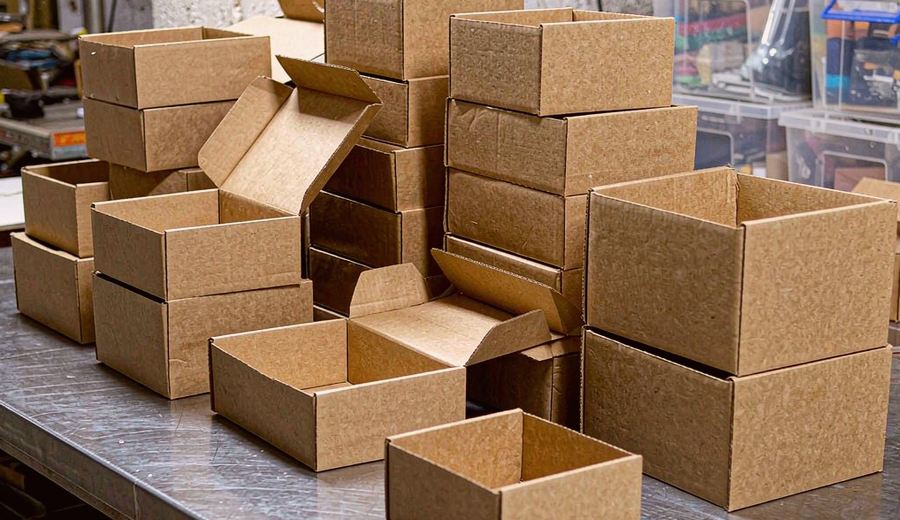
Carton planning decides whether Cross Brand Compatible Pods arrives in a condition you can sell. Under-filled cartons deform in transit; over-filled ones split at the seams. Aim for a fill that leaves the carton rigid without compressing the product, and check the stacking height against your pallet pattern.
Plan Cross Brand Compatible Pods cartons around how the goods will actually be handled: how many times they are transferred, what the last leg looks like, and whether the carton will be opened for inspection. Those answers matter more to damage rates than the carton grade on paper.

Sustainability and Packaging Waste
If your market expects recyclable materials for Cross Brand Compatible Pods, ask what the factory can actually supply rather than assuming. The gap between what is available and what is requested is usually narrower than buyers expect.
Packaging waste is becoming a purchasing question rather than a marketing one. Right-sizing cartons for Cross Brand Compatible Pods reduces both material cost and freight cost, which makes it one of the few changes that helps margin and footprint at once.
- Agree the specification in writing before sampling Cross Brand Compatible Pods
- Keep a reorder calendar instead of reacting to stockouts
- Book inspection while there is still time to rework
- Request the full document set during production
- Plan cartons around real handling, not catalogue photos
If you want to move on Cross Brand Compatible Pods, the fastest next step is a specification and a sample. Send us your target quantity and destination and we will come back with options, timings and a landed cost you can compare against what you have today.
Frequently asked questions
Can Cross Brand Compatible Pods be shipped directly to my retail locations?
Direct-to-store is possible in many markets, though consolidation at a single warehouse is usually cheaper and easier to reconcile. We can quote both so you can compare.
How is Cross Brand Compatible Pods packed for export?
Packing depends on the product and route, but the principle is the same: inner protection, a rigid master carton and a pallet pattern that survives handling. We can send photographs of the packing method before dispatch.
What is the usual minimum order for Cross Brand Compatible Pods?
Most Cross Brand Compatible Pods production runs start at a carton-level minimum rather than a single unit. The exact figure depends on how many variants you need and whether the packaging is standard or custom printed, so it is worth asking with your actual mix in mind.
How do I know the Cross Brand Compatible Pods I reorder will match the last batch?
We keep the approved specification and sample reference on file for every order and check against it at inspection. If a component changes, you hear about it before production rather than at delivery.
Are there compliance requirements I should know about for Cross Brand Compatible Pods?
Requirements vary by destination and they change. We confirm the current position for your market at the point of order and supply the documentation that supports it, but the importer of record remains responsible for local compliance.
Related reading
Talk to us about cross brand compatible pods bulk
Send us your target quantity, destination and timing. We answer with real options and a landed cost you can compare — normally within one working day.