OEM Cross Brand Compatible Pods: Payment Terms for Wholesalers
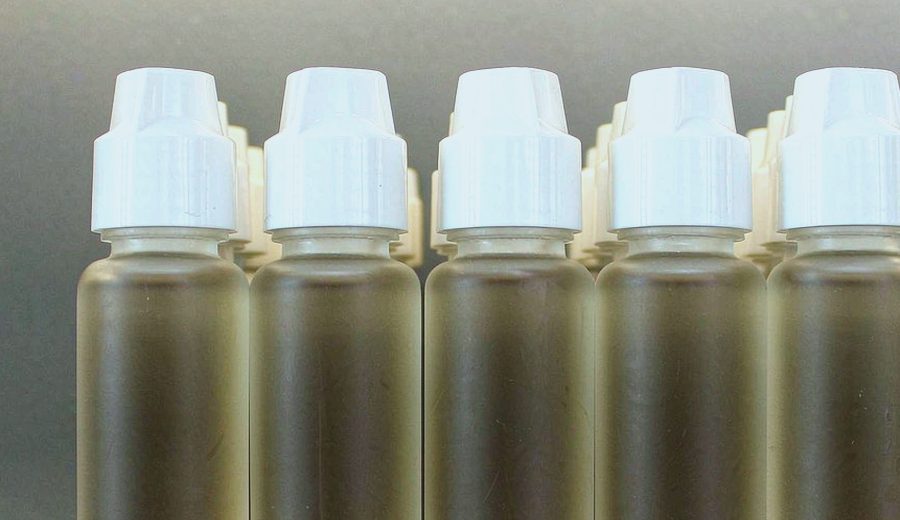
Most problems with Cross Brand Compatible Pods are not product problems — they are specification, packaging or timing problems that were visible in advance. This page is a checklist for catching them while they are still cheap to fix.
After-Sales, Warranty and Spare Parts
Set the claim window for Cross Brand Compatible Pods in writing — how many days after arrival you can report an issue and what evidence is needed. Clear terms on both sides make the rare dispute quick to resolve.
Clarify what happens after Cross Brand Compatible Pods arrives. A written agreement on how defects are credited, how quickly claims are settled, and who pays for return freight is worth more than a friendly promise made during negotiation.
Sample Orders and Evaluation Checklist
Order 9 samples of Cross Brand Compatible Pods rather than one. Single units are hand-picked; a small batch shows you what the production line actually produces, and that is what you are about to buy in volume.
A short evaluation checklist for Cross Brand Compatible Pods keeps decisions comparable: specification match, finish quality, packaging integrity, documentation completeness and how the supplier handled the request. Score each one and the choice usually becomes obvious.
Evaluate Cross Brand Compatible Pods samples the way your customer will use them, not the way they look on a desk. Check the packaging after a short transit, check the finish under retail lighting, and check consistency across several units rather than one.
Minimum Order Quantities and Carton Planning
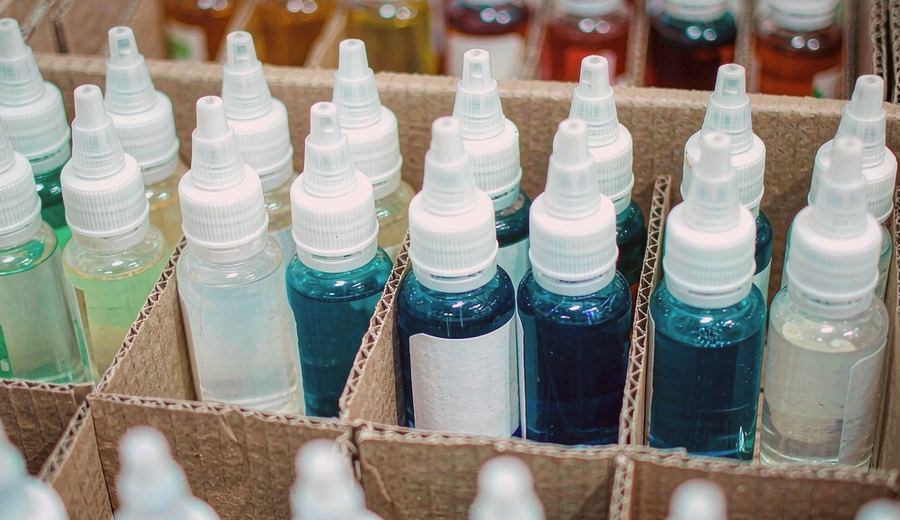
Carton planning decides whether Cross Brand Compatible Pods arrives in a condition you can sell. Under-filled cartons deform in transit; over-filled ones split at the seams. Aim for a fill that leaves the carton rigid without compressing the product, and check the stacking height against your pallet pattern.
Plan Cross Brand Compatible Pods cartons around how the goods will actually be handled: how many times they are transferred, what the last leg looks like, and whether the carton will be opened for inspection. Those answers matter more to damage rates than the carton grade on paper.
Customs, Duties and Compliance Paperwork
Paperwork delays cost more than duties on most Cross Brand Compatible Pods imports. A complete set — commercial invoice, packing list, certificate of origin and any product-specific declaration — should be prepared while the goods are in production, not requested the week of arrival.
Classification is the decision that shapes everything else on a Cross Brand Compatible Pods shipment. Duty rate, licence requirements and inspection probability all follow from the code used. If you are unsure, get a written classification opinion before the vessel sails, not after the goods are held.
Compliance for Cross Brand Compatible Pods is destination-specific and it changes. Rather than memorising rules, build a short checklist per market and refresh it at each order. It takes twenty minutes and prevents the expensive kind of surprise.
| Order Stage | Working Days | What Happens |
|---|---|---|
| Specification sign-off | 3 working days | Confirms tolerances and materials |
| Sampling | 15–9 working days | Production units, not showroom pieces |
| Production | 9 working days | Scheduled against your slot |
| Inspection and packing | 3 working days | Photographs included in the report |
Quality Control Steps That Catch Problems Early
The most useful QC report for Cross Brand Compatible Pods is a boring one: carton count, defect rate by category, photographs of the packing method, and a clear pass or fail. Narrative reports that hedge are far less useful than a simple count you can hold someone to.
Agree the acceptable defect threshold for Cross Brand Compatible Pods in writing before production. Without a number, every inspection becomes a negotiation, and the negotiation always happens when you have the least leverage.
Pricing Structure and Where The Money Goes
Price breaks on Cross Brand Compatible Pods usually step at carton, pallet and container levels rather than sliding smoothly. Knowing where those steps sit tells you whether adding another 9 units actually improves your margin or just ties up cash in the warehouse.
Most surprises in Cross Brand Compatible Pods pricing hide in the lines nobody quotes: artwork setup, carton printing plates, extra colourways, and the difference between ex-works and delivered terms. Ask for the quotation split into product, packaging and logistics and the comparison becomes straightforward.
Unit price is only part of what Cross Brand Compatible Pods costs you. Tooling, labelling, carton packing, inland haulage, port charges and payment fees all sit on top. A quotation that looks 15 percent cheaper can reverse once those lines are added, so compare landed cost, not the headline number.

OEM and Private Label Possibilities
OEM work on Cross Brand Compatible Pods is most cost-effective when you change what the factory can already do. A different colour, a printed logo or a reworked carton costs far less than a new mould, and it gets you a recognisable product much faster.
If you are considering a private label version of Cross Brand Compatible Pods, ask what the factory needs from you: artwork format, colour reference, quantity per variant and lead time for the first run. Clear inputs at the start quietly remove weeks from the schedule.
- Plan cartons around real handling, not catalogue photos
- Agree the specification in writing before sampling Cross Brand Compatible Pods
- Compare landed cost, not headline unit price
- Use one approved sample reference for every repeat order
- Book inspection while there is still time to rework
Every Cross Brand Compatible Pods order starts the same way here — a short conversation about volume, market and timing. If the fit is right we will quote; if it is not, we will say so and point you somewhere better.
Frequently asked questions
Can Cross Brand Compatible Pods be shipped directly to my retail locations?
Direct-to-store is possible in many markets, though consolidation at a single warehouse is usually cheaper and easier to reconcile. We can quote both so you can compare.
How long does a Cross Brand Compatible Pods order take to arrive?
Production for Cross Brand Compatible Pods commonly runs two to four weeks depending on specification and packaging, with transit added on top. Sea freight adds several weeks, air considerably less. We quote a realistic window rather than a best case.
What is the best way to start a Cross Brand Compatible Pods enquiry?
The most useful starting message is short: product, approximate quantity, destination and target timing. With those four pieces of information we can usually respond with real options the same working day.
What happens if a Cross Brand Compatible Pods shipment arrives damaged?
Report it within the agreed window with photographs and carton references and we will work through a credit or replacement. This is much faster when an inspection report exists, which is why we recommend one for larger orders.
Can you handle repeat or scheduled Cross Brand Compatible Pods orders?
Yes, and it suits both sides. A scheduled cycle lets us reserve production capacity, which shortens lead times and makes pricing more stable than ad-hoc ordering.
Related reading
Talk to us about cross brand compatible pods bulk
Send us your target quantity, destination and timing. We answer with real options and a landed cost you can compare — normally within one working day.