Quality Control Steps — Cross Brand Compatible Pods for Export

Whether you are replenishing an existing line or evaluating Cross Brand Compatible Pods for the first time, the same fundamentals apply: know the specification, know the landed cost, and know who is accountable if something is wrong.
Sustainability and Packaging Waste
Packaging waste is becoming a purchasing question rather than a marketing one. Right-sizing cartons for Cross Brand Compatible Pods reduces both material cost and freight cost, which makes it one of the few changes that helps margin and footprint at once.
If your market expects recyclable materials for Cross Brand Compatible Pods, ask what the factory can actually supply rather than assuming. The gap between what is available and what is requested is usually narrower than buyers expect.
Customs, Duties and Compliance Paperwork
Paperwork delays cost more than duties on most Cross Brand Compatible Pods imports. A complete set — commercial invoice, packing list, certificate of origin and any product-specific declaration — should be prepared while the goods are in production, not requested the week of arrival.
Classification is the decision that shapes everything else on a Cross Brand Compatible Pods shipment. Duty rate, licence requirements and inspection probability all follow from the code used. If you are unsure, get a written classification opinion before the vessel sails, not after the goods are held.
Compliance for Cross Brand Compatible Pods is destination-specific and it changes. Rather than memorising rules, build a short checklist per market and refresh it at each order. It takes twenty minutes and prevents the expensive kind of surprise.
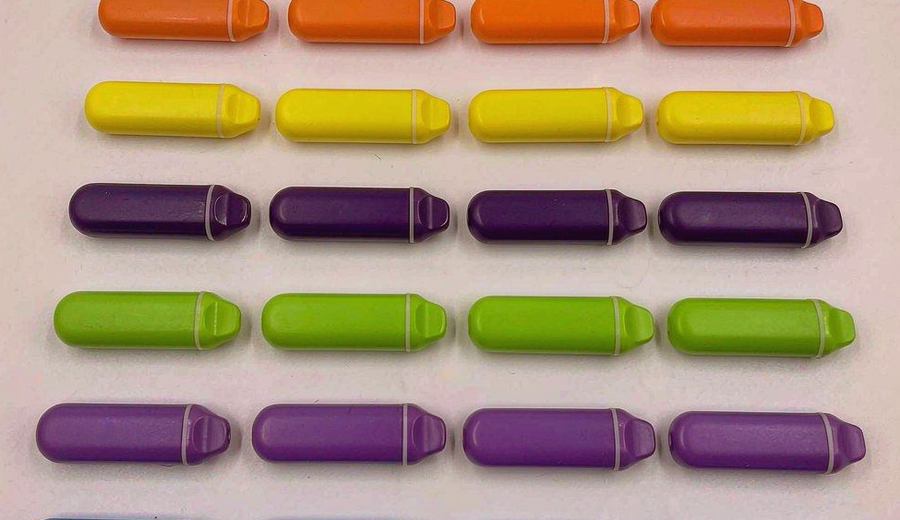
Pricing Structure and Where The Money Goes
Price breaks on Cross Brand Compatible Pods usually step at carton, pallet and container levels rather than sliding smoothly. Knowing where those steps sit tells you whether adding another 9 units actually improves your margin or just ties up cash in the warehouse.
Most surprises in Cross Brand Compatible Pods pricing hide in the lines nobody quotes: artwork setup, carton printing plates, extra colourways, and the difference between ex-works and delivered terms. Ask for the quotation split into product, packaging and logistics and the comparison becomes straightforward.
Margin Maths for Retailers
A useful exercise with Cross Brand Compatible Pods: calculate what a 5 percent improvement in landed cost does to annual profit, and compare that with what a 5 percent price increase does. The first is usually easier and does not risk volume.
Margin on Cross Brand Compatible Pods is decided at the purchase stage. Landed cost per sellable unit, not unit price, is the number that matters — and it includes freight, duty, shrinkage and the small percentage that never sells at full price.
Retailers who track Cross Brand Compatible Pods by margin per shelf metre rather than margin per unit consistently make better range decisions. The product that earns slightly less per unit but turns twice as fast is usually the better use of the space.
| Cost Component | Share of Landed Cost | Notes |
|---|---|---|
| Product cost | 5% of landed cost | Moves with volume and specification |
| Packaging | 30% of landed cost | Higher for retail-ready formats |
| Freight and handling | 9% of landed cost | Route and season dependent |
| Duty and clearance | Destination specific | Follows from classification |
Quality Control Steps That Catch Problems Early
Inspection works when it happens before shipment. A pre-shipment check on Cross Brand Compatible Pods covering quantity, appearance, function and packaging typically takes a day and costs a fraction of a return. Book it early enough that a failed report still leaves time to rework.
Agree the acceptable defect threshold for Cross Brand Compatible Pods in writing before production. Without a number, every inspection becomes a negotiation, and the negotiation always happens when you have the least leverage.
Working with Agents Versus Direct Factories
The honest test: ask whether the agent can tell you something about Cross Brand Compatible Pods production that you could not learn from the factory's own quotation. If not, you are paying for an introduction.
Going direct on Cross Brand Compatible Pods works well once your specification is stable and your volume is predictable. Before that point, an agent's ability to chase a production slot is often worth the margin.
Agents add value on Cross Brand Compatible Pods when you need local follow-up, consolidation across factories or help with documentation. They add cost when all you need is a single product from a single line.

Storage, Handling and Shelf Life
Warehouse conditions matter more for Cross Brand Compatible Pods than most buyers assume. A few degrees of temperature difference over a summer changes how the product presents on the shelf. If you are storing through a hot season, plan for it rather than discovering it in returns.
Good stock rotation on Cross Brand Compatible Pods is simple: label by arrival date, pick oldest first, and keep a small buffer that is never touched. That buffer is what stops an unexpected demand spike from turning into an emergency air shipment.
- Treat the first shipment as a test and the second as the real order
- Compare landed cost, not headline unit price
- Ask which components are stocked as spares
- Plan cartons around real handling, not catalogue photos
- Track weekly sell-through to catch the seasonal turn
Whether you need a single carton to test or a container to fill a season, the process for Cross Brand Compatible Pods is the same. Reach out with your requirements and we will respond with specifics rather than a brochure.
Frequently asked questions
Can different variants of Cross Brand Compatible Pods be mixed in one carton?
Mixed cartons are usually possible and are a good option when you are testing a range or working below a per-variant minimum. There is normally a small packing surcharge, which we will show on the quotation.
What is the usual minimum order for Cross Brand Compatible Pods?
Most Cross Brand Compatible Pods production runs start at a carton-level minimum rather than a single unit. The exact figure depends on how many variants you need and whether the packaging is standard or custom printed, so it is worth asking with your actual mix in mind.
Can you handle repeat or scheduled Cross Brand Compatible Pods orders?
Yes, and it suits both sides. A scheduled cycle lets us reserve production capacity, which shortens lead times and makes pricing more stable than ad-hoc ordering.
How do you price Cross Brand Compatible Pods compared with a trading company?
We quote from the production side, so product, packaging and logistics are listed separately rather than folded into one number. That makes comparison easier and usually shows where a competing quote has hidden its margin.
How long does a Cross Brand Compatible Pods order take to arrive?
Production for Cross Brand Compatible Pods commonly runs two to four weeks depending on specification and packaging, with transit added on top. Sea freight adds several weeks, air considerably less. We quote a realistic window rather than a best case.
Related reading
Talk to us about cross brand compatible pods bulk
Send us your target quantity, destination and timing. We answer with real options and a landed cost you can compare — normally within one working day.