Retail-Ready Cross Brand Compatible Pods: Reading a Quotation
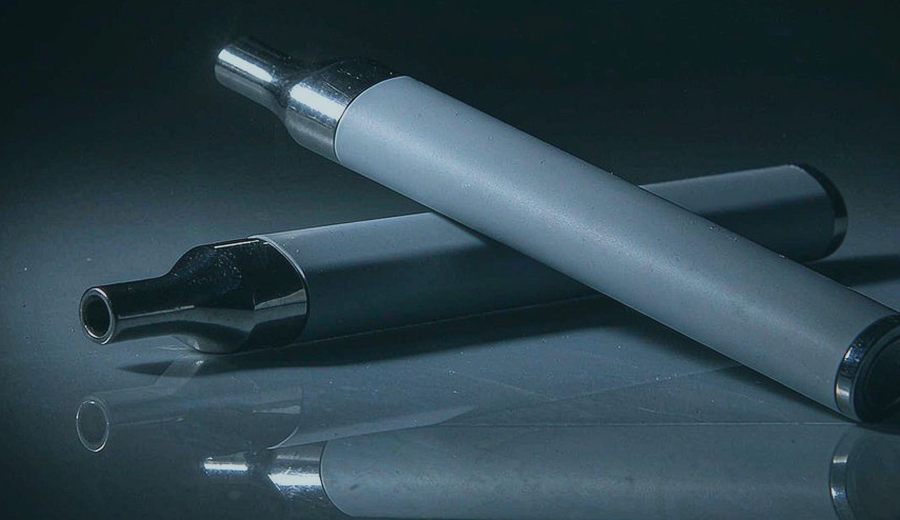
This guide to Cross Brand Compatible Pods is written for importers who need repeatable supply rather than a one-off purchase. It focuses on the decisions that change your landed cost and your shelf availability, and skips the parts that do not.
Packaging, Labelling and Shelf Readiness
Retail-ready packaging changes the economics of Cross Brand Compatible Pods more than most buyers expect. Barcodes, language variants and warning statements vary by destination, and fixing them after production means relabelling by hand. Confirm the artwork requirements for your market before the run starts.
Labelling rules move, and Cross Brand Compatible Pods is no exception. Build a habit of confirming the current requirement for each destination at the point of order rather than reusing last year's artwork file. The cost of a reprint is small; the cost of a detained shipment is not.
Customs, Duties and Compliance Paperwork
Classification is the decision that shapes everything else on a Cross Brand Compatible Pods shipment. Duty rate, licence requirements and inspection probability all follow from the code used. If you are unsure, get a written classification opinion before the vessel sails, not after the goods are held.
Paperwork delays cost more than duties on most Cross Brand Compatible Pods imports. A complete set — commercial invoice, packing list, certificate of origin and any product-specific declaration — should be prepared while the goods are in production, not requested the week of arrival.
Compliance for Cross Brand Compatible Pods is destination-specific and it changes. Rather than memorising rules, build a short checklist per market and refresh it at each order. It takes twenty minutes and prevents the expensive kind of surprise.

Sample Orders and Evaluation Checklist
Order 9 samples of Cross Brand Compatible Pods rather than one. Single units are hand-picked; a small batch shows you what the production line actually produces, and that is what you are about to buy in volume.
A short evaluation checklist for Cross Brand Compatible Pods keeps decisions comparable: specification match, finish quality, packaging integrity, documentation completeness and how the supplier handled the request. Score each one and the choice usually becomes obvious.
What Cross Brand Compatible Pods Actually Covers
Before comparing prices, it helps to agree on what counts as Cross Brand Compatible Pods. In day-to-day trade the term covers a fairly wide band of products, and two suppliers can quote very different things under the same label. Ask for a specification sheet that lists materials, dimensions and what is included in each unit, then compare that against what actually arrives in the carton.
Scope is the first thing to pin down with Cross Brand Compatible Pods. Hardware, consumables and packaging are often bundled differently depending on the factory, so a low unit price can quietly hide a higher landed cost. A one-page specification agreed before sampling removes most of that ambiguity.
The phrase Cross Brand Compatible Pods gets used loosely in export enquiries, which is why quotations sometimes look impossible to compare. One factory may price a bare unit while another includes retail packaging, labelling and a master carton. Getting the scope written down first saves a round of emails and, more importantly, stops you from discovering the difference after the goods land.
| Specification | Typical Range | Why It Matters |
|---|---|---|
| Unit specification | 15–9 variant range | Defines what the factory must hold |
| Master carton | 5 units per carton | Drives freight cost per unit |
| Production lead time | 15–9 working days | Sets your reorder point |
| Inspection window | 5 day report turnaround | Must fit before vessel cut-off |
Building A Repeatable Replenishment Cycle
Most importers of Cross Brand Compatible Pods who move to a fixed monthly cycle report the same benefit: fewer emergencies. The total volume ordered barely changes, but the number of urgent shipments drops sharply.
Scheduled replenishment for Cross Brand Compatible Pods gives you leverage you do not get with ad-hoc orders. A supplier who can see your next four shipments will prioritise your production slot, and that priority is worth more than a small discount.
How to Compare Suppliers Without Wasting Weeks
Ask every Cross Brand Compatible Pods supplier the same five questions and score the answers. Which of them mentions a constraint you had not considered is often the most informative result — it tells you who has actually produced this before.
Time-box the comparison. Two weeks of structured enquiries on Cross Brand Compatible Pods beats two months of open-ended ones, because the market moves and your shelf does not wait. Set a decision date at the start and hold to it.
Compare Cross Brand Compatible Pods suppliers on response quality before price. A supplier who answers specification questions precisely, admits what they cannot do, and sends real photographs is usually cheaper to work with than one who simply quotes low.

Negotiation Levers That Actually Work
The most reliable negotiation on Cross Brand Compatible Pods is a calendar, not a threat. Show a supplier twelve months of predictable orders and you will get a better response than from any single large enquiry.
Decide before you negotiate what you actually want from Cross Brand Compatible Pods — a lower unit price, better payment terms, or priority production. Chasing all three at once usually means getting none of them.
- Confirm labelling rules for the destination at order time
- Keep a reorder calendar instead of reacting to stockouts
- Request the full document set during production
- Compare landed cost, not headline unit price
- Use one approved sample reference for every repeat order
Questions about Cross Brand Compatible Pods are usually quicker to answer in a message than in a spec sheet. Send over what you need — quantity, market, timing — and we will tell you honestly whether we are the right fit for it.
Frequently asked questions
Do you ship Cross Brand Compatible Pods worldwide?
We ship to most markets by sea, air and express. Where a destination has specific restrictions we will flag them before you order rather than after the goods are in transit.
Are there compliance requirements I should know about for Cross Brand Compatible Pods?
Requirements vary by destination and they change. We confirm the current position for your market at the point of order and supply the documentation that supports it, but the importer of record remains responsible for local compliance.
How do you price Cross Brand Compatible Pods compared with a trading company?
We quote from the production side, so product, packaging and logistics are listed separately rather than folded into one number. That makes comparison easier and usually shows where a competing quote has hidden its margin.
How do I know the Cross Brand Compatible Pods I reorder will match the last batch?
We keep the approved specification and sample reference on file for every order and check against it at inspection. If a component changes, you hear about it before production rather than at delivery.
How is Cross Brand Compatible Pods packed for export?
Packing depends on the product and route, but the principle is the same: inner protection, a rigid master carton and a pallet pattern that survives handling. We can send photographs of the packing method before dispatch.
Related reading
Talk to us about cross brand compatible pods bulk
Send us your target quantity, destination and timing. We answer with real options and a landed cost you can compare — normally within one working day.