Storage and Shelf Life — Cross Brand Compatible Pods Sourcing
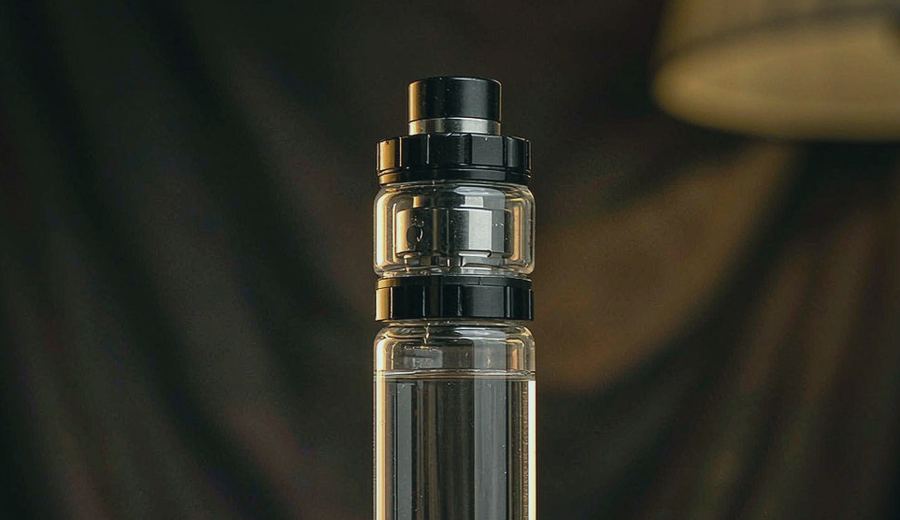
Cross Brand Compatible Pods looks straightforward until you start comparing quotations. Then the variables appear: carton sizes, labelling rules, tolerances, freight terms. The notes below walk through them in the order a real order encounters them.
Minimum Order Quantities and Carton Planning
Plan Cross Brand Compatible Pods cartons around how the goods will actually be handled: how many times they are transferred, what the last leg looks like, and whether the carton will be opened for inspection. Those answers matter more to damage rates than the carton grade on paper.
Carton planning decides whether Cross Brand Compatible Pods arrives in a condition you can sell. Under-filled cartons deform in transit; over-filled ones split at the seams. Aim for a fill that leaves the carton rigid without compressing the product, and check the stacking height against your pallet pattern.
Who Buys Cross Brand Compatible Pods and Why
The buyers behind Cross Brand Compatible Pods orders are usually pragmatic. They care about whether the product sells through, whether it arrives intact, and whether the next shipment will match the last one. Everything else is secondary, which is why consistency beats novelty in most reorder conversations.
Demand for Cross Brand Compatible Pods rarely comes from a single customer type. Some gift retailers want steady replacement stock, others want something seasonal they can merchandise for six weeks. Those two buying patterns need different carton sizes and different delivery windows, so it is worth separating them when you plan.
gift retailers tend to reorder Cross Brand Compatible Pods on a rhythm rather than in one large batch. That rhythm is driven by shelf turnover, seasonal footfall and how quickly a flavour or format goes stale in the local market. Understanding who your end buyer is makes the reorder maths much easier.

Pricing Structure and Where The Money Goes
Most surprises in Cross Brand Compatible Pods pricing hide in the lines nobody quotes: artwork setup, carton printing plates, extra colourways, and the difference between ex-works and delivered terms. Ask for the quotation split into product, packaging and logistics and the comparison becomes straightforward.
Price breaks on Cross Brand Compatible Pods usually step at carton, pallet and container levels rather than sliding smoothly. Knowing where those steps sit tells you whether adding another 8 units actually improves your margin or just ties up cash in the warehouse.
Packaging, Labelling and Shelf Readiness
Labelling rules move, and Cross Brand Compatible Pods is no exception. Build a habit of confirming the current requirement for each destination at the point of order rather than reusing last year's artwork file. The cost of a reprint is small; the cost of a detained shipment is not.
Shelf presentation is where Cross Brand Compatible Pods either sells or sits. Carton dimensions, facing count and how quickly a shopper can read the flavour all affect turnover. If the packaging only works in a warehouse, you have pushed that cost onto the retailer.
Retail-ready packaging changes the economics of Cross Brand Compatible Pods more than most buyers expect. Barcodes, language variants and warning statements vary by destination, and fixing them after production means relabelling by hand. Confirm the artwork requirements for your market before the run starts.
| Cost Component | Share of Landed Cost | Notes |
|---|---|---|
| Product cost | 15% of landed cost | Moves with volume and specification |
| Packaging | 5% of landed cost | Higher for retail-ready formats |
| Freight and handling | 8% of landed cost | Route and season dependent |
| Duty and clearance | Destination specific | Follows from classification |
Margin Maths for Retailers
A useful exercise with Cross Brand Compatible Pods: calculate what a 15 percent improvement in landed cost does to annual profit, and compare that with what a 15 percent price increase does. The first is usually easier and does not risk volume.
Retailers who track Cross Brand Compatible Pods by margin per shelf metre rather than margin per unit consistently make better range decisions. The product that earns slightly less per unit but turns twice as fast is usually the better use of the space.
How to Compare Suppliers Without Wasting Weeks
Ask every Cross Brand Compatible Pods supplier the same five questions and score the answers. Which of them mentions a constraint you had not considered is often the most informative result — it tells you who has actually produced this before.
Time-box the comparison. Two weeks of structured enquiries on Cross Brand Compatible Pods beats two months of open-ended ones, because the market moves and your shelf does not wait. Set a decision date at the start and hold to it.
Compare Cross Brand Compatible Pods suppliers on response quality before price. A supplier who answers specification questions precisely, admits what they cannot do, and sends real photographs is usually cheaper to work with than one who simply quotes low.
What Cross Brand Compatible Pods Actually Covers
Before comparing prices, it helps to agree on what counts as Cross Brand Compatible Pods. In day-to-day trade the term covers a fairly wide band of products, and two suppliers can quote very different things under the same label. Ask for a specification sheet that lists materials, dimensions and what is included in each unit, then compare that against what actually arrives in the carton.
Scope is the first thing to pin down with Cross Brand Compatible Pods. Hardware, consumables and packaging are often bundled differently depending on the factory, so a low unit price can quietly hide a higher landed cost. A one-page specification agreed before sampling removes most of that ambiguity.
- Request the full document set during production
- Agree the specification in writing before sampling Cross Brand Compatible Pods
- Compare landed cost, not headline unit price
- Use one approved sample reference for every repeat order
- Book inspection while there is still time to rework
We keep the ordering process for Cross Brand Compatible Pods deliberately simple: agree the specification, approve a sample, confirm the carton plan, then ship. If that sounds like the way you prefer to work, get in touch with your requirements.
Frequently asked questions
How long does a Cross Brand Compatible Pods order take to arrive?
Production for Cross Brand Compatible Pods commonly runs two to four weeks depending on specification and packaging, with transit added on top. Sea freight adds several weeks, air considerably less. We quote a realistic window rather than a best case.
What payment terms are available for Cross Brand Compatible Pods?
Standard terms are a deposit with the balance before shipment, with alternatives available for established accounts on scheduled programmes. We will outline what is possible once we understand the size and frequency of your orders.
How do you price Cross Brand Compatible Pods compared with a trading company?
We quote from the production side, so product, packaging and logistics are listed separately rather than folded into one number. That makes comparison easier and usually shows where a competing quote has hidden its margin.
Can Cross Brand Compatible Pods be shipped directly to my retail locations?
Direct-to-store is possible in many markets, though consolidation at a single warehouse is usually cheaper and easier to reconcile. We can quote both so you can compare.
What is the best way to start a Cross Brand Compatible Pods enquiry?
The most useful starting message is short: product, approximate quantity, destination and target timing. With those four pieces of information we can usually respond with real options the same working day.
Related reading
Talk to us about cross brand compatible pods bulk
Send us your target quantity, destination and timing. We answer with real options and a landed cost you can compare — normally within one working day.