MOQ, Pricing and Lead Time — Bulk Cross Brand Compatible Pods

If you are looking at Cross Brand Compatible Pods for the first time, the number of options can be disorienting. This page sets out the practical detail — what to specify, what it costs to land, and where orders usually go wrong — so you can move from enquiry to shipment without guessing.
Margin Maths for Retailers
Retailers who track Cross Brand Compatible Pods by margin per shelf metre rather than margin per unit consistently make better range decisions. The product that earns slightly less per unit but turns twice as fast is usually the better use of the space.
Margin on Cross Brand Compatible Pods is decided at the purchase stage. Landed cost per sellable unit, not unit price, is the number that matters — and it includes freight, duty, shrinkage and the small percentage that never sells at full price.
Sample Orders and Evaluation Checklist
A short evaluation checklist for Cross Brand Compatible Pods keeps decisions comparable: specification match, finish quality, packaging integrity, documentation completeness and how the supplier handled the request. Score each one and the choice usually becomes obvious.
Order 12 samples of Cross Brand Compatible Pods rather than one. Single units are hand-picked; a small batch shows you what the production line actually produces, and that is what you are about to buy in volume.
Evaluate Cross Brand Compatible Pods samples the way your customer will use them, not the way they look on a desk. Check the packaging after a short transit, check the finish under retail lighting, and check consistency across several units rather than one.
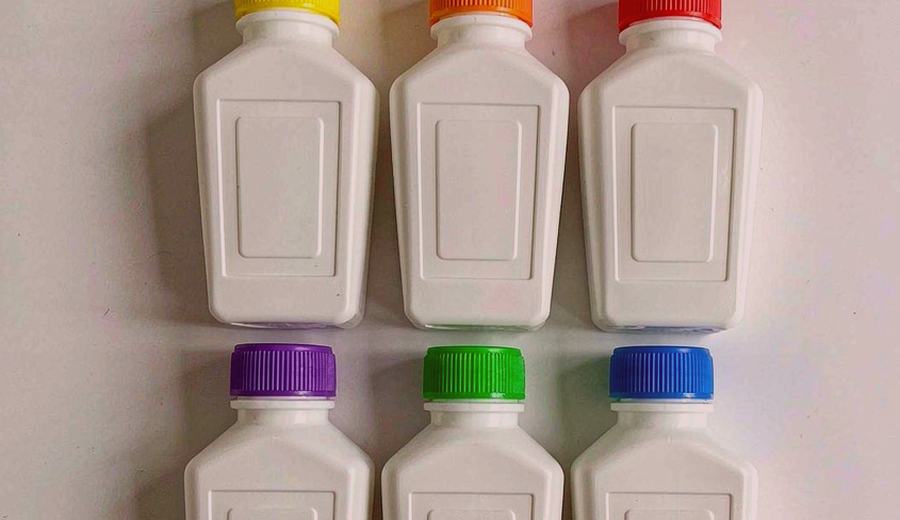
Packaging, Labelling and Shelf Readiness
Retail-ready packaging changes the economics of Cross Brand Compatible Pods more than most buyers expect. Barcodes, language variants and warning statements vary by destination, and fixing them after production means relabelling by hand. Confirm the artwork requirements for your market before the run starts.
Shelf presentation is where Cross Brand Compatible Pods either sells or sits. Carton dimensions, facing count and how quickly a shopper can read the flavour all affect turnover. If the packaging only works in a warehouse, you have pushed that cost onto the retailer.
OEM and Private Label Possibilities
Private label on Cross Brand Compatible Pods usually starts with artwork and ends with tooling. In between sit choices about colourways, packaging structure and minimum runs per variant. Understanding which of those carry a setup cost tells you how far you can differentiate without inflating the first order.
If you are considering a private label version of Cross Brand Compatible Pods, ask what the factory needs from you: artwork format, colour reference, quantity per variant and lead time for the first run. Clear inputs at the start quietly remove weeks from the schedule.
OEM work on Cross Brand Compatible Pods is most cost-effective when you change what the factory can already do. A different colour, a printed logo or a reworked carton costs far less than a new mould, and it gets you a recognisable product much faster.
| Order Stage | Working Days | What Happens |
|---|---|---|
| Specification sign-off | 14 working days | Confirms tolerances and materials |
| Sampling | 20–12 working days | Production units, not showroom pieces |
| Production | 12 working days | Scheduled against your slot |
| Inspection and packing | 14 working days | Photographs included in the report |
Quality Control Steps That Catch Problems Early
Inspection works when it happens before shipment. A pre-shipment check on Cross Brand Compatible Pods covering quantity, appearance, function and packaging typically takes a day and costs a fraction of a return. Book it early enough that a failed report still leaves time to rework.
The most useful QC report for Cross Brand Compatible Pods is a boring one: carton count, defect rate by category, photographs of the packing method, and a clear pass or fail. Narrative reports that hedge are far less useful than a simple count you can hold someone to.
Retail Merchandising Ideas That Move Stock
Merchandising Cross Brand Compatible Pods well is mostly about legibility. A shopper should be able to identify the product type and the variant from a metre away. If they have to pick things up to compare, you have already lost part of the sale.
Rotate the Cross Brand Compatible Pods facing every few weeks. Even without changing the range, moving the position refreshes attention and surfaces stock that has settled into a blind spot near the counter.
Group Cross Brand Compatible Pods by use case rather than by supplier. Shoppers buy to solve a need, and a display organised around need consistently outperforms one organised around the way the catalogue is printed.
Choosing Between Air, Sea and Express
For Cross Brand Compatible Pods, the break-even between air and sea is mostly about how long your cash is tied up and how quickly the stock turns. Fast-moving lines can justify air; slow ones almost never can.
Ask your forwarder for the all-in door-to-door figure for Cross Brand Compatible Pods rather than the port-to-port rate. The difference between the two numbers is usually where freight budgets quietly disappear.
- Keep a reorder calendar instead of reacting to stockouts
- Ask which components are stocked as spares
- Split very large Cross Brand Compatible Pods orders across production slots
- Plan cartons around real handling, not catalogue photos
- Track weekly sell-through to catch the seasonal turn
Every Cross Brand Compatible Pods order starts the same way here — a short conversation about volume, market and timing. If the fit is right we will quote; if it is not, we will say so and point you somewhere better.
Frequently asked questions
What happens if a Cross Brand Compatible Pods shipment arrives damaged?
Report it within the agreed window with photographs and carton references and we will work through a credit or replacement. This is much faster when an inspection report exists, which is why we recommend one for larger orders.
How do you price Cross Brand Compatible Pods compared with a trading company?
We quote from the production side, so product, packaging and logistics are listed separately rather than folded into one number. That makes comparison easier and usually shows where a competing quote has hidden its margin.
What documentation comes with a Cross Brand Compatible Pods shipment?
A standard shipment includes commercial invoice, packing list and certificate of origin, with product-specific declarations where the destination requires them. We prepare the set during production so it is ready before the goods arrive.
Can Cross Brand Compatible Pods be shipped directly to my retail locations?
Direct-to-store is possible in many markets, though consolidation at a single warehouse is usually cheaper and easier to reconcile. We can quote both so you can compare.
What payment terms are available for Cross Brand Compatible Pods?
Standard terms are a deposit with the balance before shipment, with alternatives available for established accounts on scheduled programmes. We will outline what is possible once we understand the size and frequency of your orders.
Related reading
Talk to us about cross brand compatible pods bulk
Send us your target quantity, destination and timing. We answer with real options and a landed cost you can compare — normally within one working day.