OEM Cross Brand Compatible Pods: Freight: Air, Sea and Express
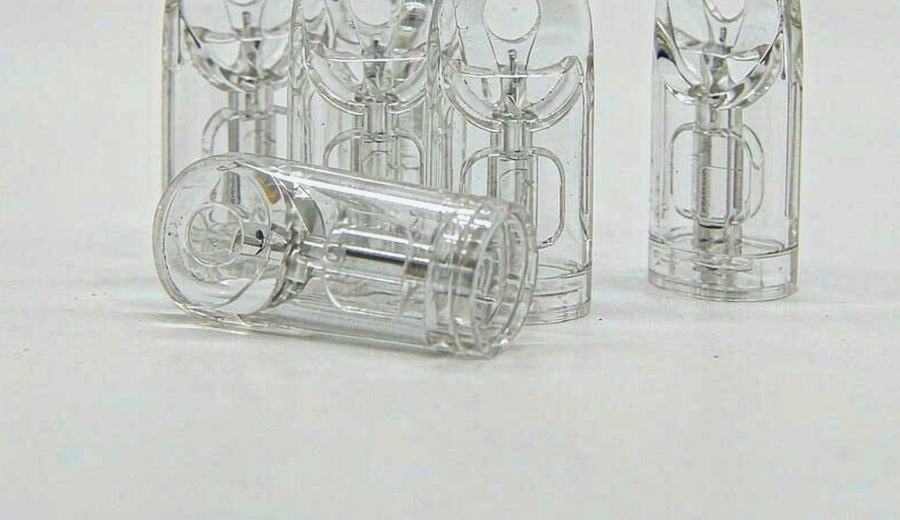
There is a lot of generic advice about Cross Brand Compatible Pods online. This page tries to be more specific: the checks that actually change outcomes, the numbers worth asking for, and the questions that separate experienced suppliers from the rest.
Margin Maths for Retailers
Margin on Cross Brand Compatible Pods is decided at the purchase stage. Landed cost per sellable unit, not unit price, is the number that matters — and it includes freight, duty, shrinkage and the small percentage that never sells at full price.
A useful exercise with Cross Brand Compatible Pods: calculate what a 15 percent improvement in landed cost does to annual profit, and compare that with what a 15 percent price increase does. The first is usually easier and does not risk volume.
Negotiation Levers That Actually Work
Volume commitments, predictable scheduling and fast payment are the three levers that genuinely move Cross Brand Compatible Pods pricing. Asking for a discount without offering any of them rarely gets you further than the published price list.
Decide before you negotiate what you actually want from Cross Brand Compatible Pods — a lower unit price, better payment terms, or priority production. Chasing all three at once usually means getting none of them.
The most reliable negotiation on Cross Brand Compatible Pods is a calendar, not a threat. Show a supplier twelve months of predictable orders and you will get a better response than from any single large enquiry.
Specifications Worth Checking Before You Order
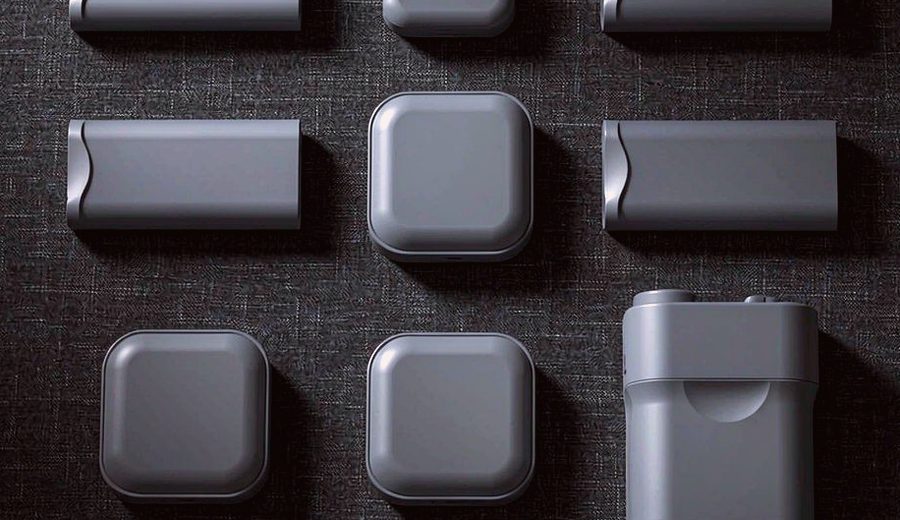
A good specification for Cross Brand Compatible Pods is measurable. Capacity, resistance, material thickness and finish should all have a stated tolerance, not a marketing range. When tolerances are missing, quality arguments later become opinion against opinion, and that is a conversation you will not win from another continent.
Write the specification for Cross Brand Compatible Pods the way a warehouse would check it: what can be counted, weighed or measured in five minutes. That phrasing survives the jump from sales team to production line far better than adjectives do.
What Cross Brand Compatible Pods Actually Covers
Scope is the first thing to pin down with Cross Brand Compatible Pods. Hardware, consumables and packaging are often bundled differently depending on the factory, so a low unit price can quietly hide a higher landed cost. A one-page specification agreed before sampling removes most of that ambiguity.
Before comparing prices, it helps to agree on what counts as Cross Brand Compatible Pods. In day-to-day trade the term covers a fairly wide band of products, and two suppliers can quote very different things under the same label. Ask for a specification sheet that lists materials, dimensions and what is included in each unit, then compare that against what actually arrives in the carton.
The phrase Cross Brand Compatible Pods gets used loosely in export enquiries, which is why quotations sometimes look impossible to compare. One factory may price a bare unit while another includes retail packaging, labelling and a master carton. Getting the scope written down first saves a round of emails and, more importantly, stops you from discovering the difference after the goods land.
| Specification | Typical Range | Why It Matters |
|---|---|---|
| Unit specification | 15–3 variant range | Defines what the factory must hold |
| Master carton | 14 units per carton | Drives freight cost per unit |
| Production lead time | 15–3 working days | Sets your reorder point |
| Inspection window | 14 day report turnaround | Must fit before vessel cut-off |
Pricing Structure and Where The Money Goes
Unit price is only part of what Cross Brand Compatible Pods costs you. Tooling, labelling, carton packing, inland haulage, port charges and payment fees all sit on top. A quotation that looks 15 percent cheaper can reverse once those lines are added, so compare landed cost, not the headline number.
Most surprises in Cross Brand Compatible Pods pricing hide in the lines nobody quotes: artwork setup, carton printing plates, extra colourways, and the difference between ex-works and delivered terms. Ask for the quotation split into product, packaging and logistics and the comparison becomes straightforward.
Minimum Order Quantities and Carton Planning
MOQ on Cross Brand Compatible Pods is usually set by whatever makes a production run efficient, not by any fixed rule. If your requirement is below the standard minimum, ask whether a mixed carton or a shared production slot is possible instead of accepting a large surplus you cannot sell through.
Carton planning decides whether Cross Brand Compatible Pods arrives in a condition you can sell. Under-filled cartons deform in transit; over-filled ones split at the seams. Aim for a fill that leaves the carton rigid without compressing the product, and check the stacking height against your pallet pattern.
Plan Cross Brand Compatible Pods cartons around how the goods will actually be handled: how many times they are transferred, what the last leg looks like, and whether the carton will be opened for inspection. Those answers matter more to damage rates than the carton grade on paper.
OEM and Private Label Possibilities
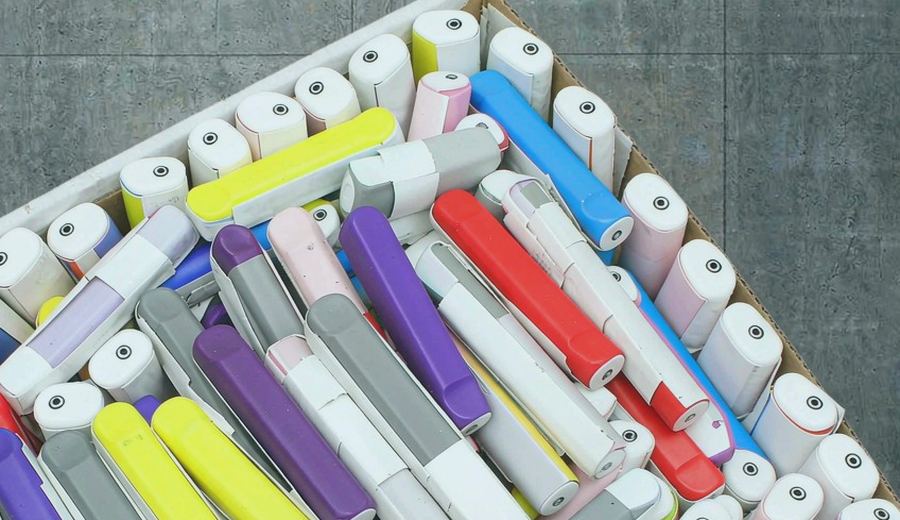
OEM work on Cross Brand Compatible Pods is most cost-effective when you change what the factory can already do. A different colour, a printed logo or a reworked carton costs far less than a new mould, and it gets you a recognisable product much faster.
Private label on Cross Brand Compatible Pods usually starts with artwork and ends with tooling. In between sit choices about colourways, packaging structure and minimum runs per variant. Understanding which of those carry a setup cost tells you how far you can differentiate without inflating the first order.
- Ask which components are stocked as spares
- Compare landed cost, not headline unit price
- Book inspection while there is still time to rework
- Agree the specification in writing before sampling Cross Brand Compatible Pods
- Confirm labelling rules for the destination at order time
Every Cross Brand Compatible Pods order starts the same way here — a short conversation about volume, market and timing. If the fit is right we will quote; if it is not, we will say so and point you somewhere better.
Frequently asked questions
What is the best way to start a Cross Brand Compatible Pods enquiry?
The most useful starting message is short: product, approximate quantity, destination and target timing. With those four pieces of information we can usually respond with real options the same working day.
Are there compliance requirements I should know about for Cross Brand Compatible Pods?
Requirements vary by destination and they change. We confirm the current position for your market at the point of order and supply the documentation that supports it, but the importer of record remains responsible for local compliance.
How is Cross Brand Compatible Pods packed for export?
Packing depends on the product and route, but the principle is the same: inner protection, a rigid master carton and a pallet pattern that survives handling. We can send photographs of the packing method before dispatch.
What is the usual minimum order for Cross Brand Compatible Pods?
Most Cross Brand Compatible Pods production runs start at a carton-level minimum rather than a single unit. The exact figure depends on how many variants you need and whether the packaging is standard or custom printed, so it is worth asking with your actual mix in mind.
What documentation comes with a Cross Brand Compatible Pods shipment?
A standard shipment includes commercial invoice, packing list and certificate of origin, with product-specific declarations where the destination requires them. We prepare the set during production so it is ready before the goods arrive.
Related reading
Talk to us about cross brand compatible pods bulk
Send us your target quantity, destination and timing. We answer with real options and a landed cost you can compare — normally within one working day.