OEM Cross Brand Compatible Pods: OEM and Private Label Choices
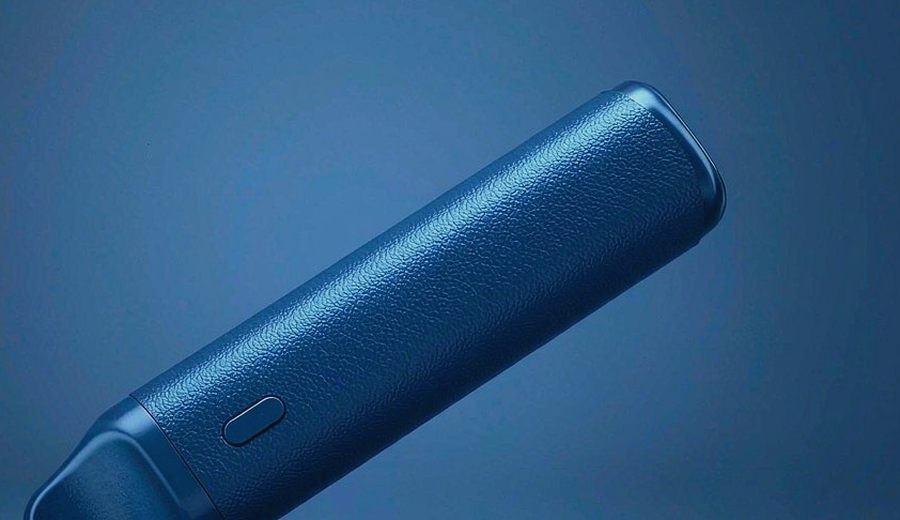
Whether you are replenishing an existing line or evaluating Cross Brand Compatible Pods for the first time, the same fundamentals apply: know the specification, know the landed cost, and know who is accountable if something is wrong.
What Cross Brand Compatible Pods Actually Covers
Scope is the first thing to pin down with Cross Brand Compatible Pods. Hardware, consumables and packaging are often bundled differently depending on the factory, so a low unit price can quietly hide a higher landed cost. A one-page specification agreed before sampling removes most of that ambiguity.
Before comparing prices, it helps to agree on what counts as Cross Brand Compatible Pods. In day-to-day trade the term covers a fairly wide band of products, and two suppliers can quote very different things under the same label. Ask for a specification sheet that lists materials, dimensions and what is included in each unit, then compare that against what actually arrives in the carton.
Working with Agents Versus Direct Factories
Going direct on Cross Brand Compatible Pods works well once your specification is stable and your volume is predictable. Before that point, an agent's ability to chase a production slot is often worth the margin.
Agents add value on Cross Brand Compatible Pods when you need local follow-up, consolidation across factories or help with documentation. They add cost when all you need is a single product from a single line.
The honest test: ask whether the agent can tell you something about Cross Brand Compatible Pods production that you could not learn from the factory's own quotation. If not, you are paying for an introduction.

Customs, Duties and Compliance Paperwork
Compliance for Cross Brand Compatible Pods is destination-specific and it changes. Rather than memorising rules, build a short checklist per market and refresh it at each order. It takes twenty minutes and prevents the expensive kind of surprise.
Classification is the decision that shapes everything else on a Cross Brand Compatible Pods shipment. Duty rate, licence requirements and inspection probability all follow from the code used. If you are unsure, get a written classification opinion before the vessel sails, not after the goods are held.
Documentation Set You Should Request
Keep a single folder per Cross Brand Compatible Pods shipment: quotation, approved sample reference, inspection report and shipping documents. Six months later, when you are reordering, that folder is the fastest way to repeat a good result.
Good documentation on Cross Brand Compatible Pods tells you who made the goods, when, and to what specification. That matters for traceability if a batch is ever questioned, and it matters for your own stock rotation.
Ask for a complete document set with Cross Brand Compatible Pods: invoice, packing list, origin certificate, batch identification and any product-specific test reports. Requesting them during production is routine; requesting them after arrival is a problem.
| Cost Component | Share of Landed Cost | Notes |
|---|---|---|
| Product cost | 8% of landed cost | Moves with volume and specification |
| Packaging | 7% of landed cost | Higher for retail-ready formats |
| Freight and handling | 3% of landed cost | Route and season dependent |
| Duty and clearance | Destination specific | Follows from classification |
Sustainability and Packaging Waste
Small packaging decisions on Cross Brand Compatible Pods compound: a carton that is 8 percent smaller often means more units per pallet, which means fewer pallets, which means lower freight per unit.
If your market expects recyclable materials for Cross Brand Compatible Pods, ask what the factory can actually supply rather than assuming. The gap between what is available and what is requested is usually narrower than buyers expect.
Building A Repeatable Replenishment Cycle
A repeatable cycle for Cross Brand Compatible Pods has three inputs: weekly sell-through, lead time and buffer. Once those are written down, reordering becomes a routine task instead of a decision, and routine tasks are the ones that actually happen.
Scheduled replenishment for Cross Brand Compatible Pods gives you leverage you do not get with ad-hoc orders. A supplier who can see your next four shipments will prioritise your production slot, and that priority is worth more than a small discount.
Most importers of Cross Brand Compatible Pods who move to a fixed monthly cycle report the same benefit: fewer emergencies. The total volume ordered barely changes, but the number of urgent shipments drops sharply.
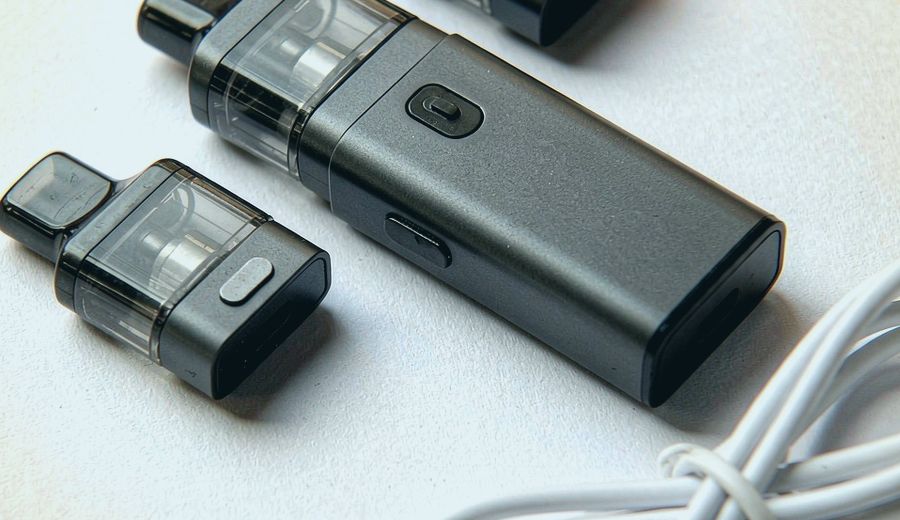
Shipping Routes, Transit Time and Freight Options
Freight quotes for Cross Brand Compatible Pods move with fuel surcharges, currency and space availability. Ask whether the rate is fixed for a period or spot-quoted per shipment, because that single detail determines how predictable your landed cost will be over a year.
Choosing between sea, air and express for Cross Brand Compatible Pods is a margin question, not a speed question. Sea freight protects unit economics on planned volume; air rescue shipments protect shelf availability. Most importers end up using both, and planning for that is cheaper than improvising.
- Track weekly sell-through to catch the seasonal turn
- Agree the specification in writing before sampling Cross Brand Compatible Pods
- Book inspection while there is still time to rework
- Split very large Cross Brand Compatible Pods orders across production slots
- Treat the first shipment as a test and the second as the real order
We keep the ordering process for Cross Brand Compatible Pods deliberately simple: agree the specification, approve a sample, confirm the carton plan, then ship. If that sounds like the way you prefer to work, get in touch with your requirements.
Frequently asked questions
How is Cross Brand Compatible Pods packed for export?
Packing depends on the product and route, but the principle is the same: inner protection, a rigid master carton and a pallet pattern that survives handling. We can send photographs of the packing method before dispatch.
Are there compliance requirements I should know about for Cross Brand Compatible Pods?
Requirements vary by destination and they change. We confirm the current position for your market at the point of order and supply the documentation that supports it, but the importer of record remains responsible for local compliance.
Can Cross Brand Compatible Pods be shipped directly to my retail locations?
Direct-to-store is possible in many markets, though consolidation at a single warehouse is usually cheaper and easier to reconcile. We can quote both so you can compare.
Can I get Cross Brand Compatible Pods with my own branding?
Yes — private label is available on most Cross Brand Compatible Pods lines. The usual options are printed logos, custom colourways and bespoke outer packaging. Each carries a different setup cost and minimum, which we list separately in the quotation.
Can different variants of Cross Brand Compatible Pods be mixed in one carton?
Mixed cartons are usually possible and are a good option when you are testing a range or working below a per-variant minimum. There is normally a small packing surcharge, which we will show on the quotation.
Related reading
Talk to us about cross brand compatible pods bulk
Send us your target quantity, destination and timing. We answer with real options and a landed cost you can compare — normally within one working day.