Retail-Ready Cross Brand Compatible Pods: Compliance Checklist

Cross Brand Compatible Pods looks straightforward until you start comparing quotations. Then the variables appear: carton sizes, labelling rules, tolerances, freight terms. The notes below walk through them in the order a real order encounters them.
Minimum Order Quantities and Carton Planning
Plan Cross Brand Compatible Pods cartons around how the goods will actually be handled: how many times they are transferred, what the last leg looks like, and whether the carton will be opened for inspection. Those answers matter more to damage rates than the carton grade on paper.
Carton planning decides whether Cross Brand Compatible Pods arrives in a condition you can sell. Under-filled cartons deform in transit; over-filled ones split at the seams. Aim for a fill that leaves the carton rigid without compressing the product, and check the stacking height against your pallet pattern.
Quality Control Steps That Catch Problems Early
Agree the acceptable defect threshold for Cross Brand Compatible Pods in writing before production. Without a number, every inspection becomes a negotiation, and the negotiation always happens when you have the least leverage.
Inspection works when it happens before shipment. A pre-shipment check on Cross Brand Compatible Pods covering quantity, appearance, function and packaging typically takes a day and costs a fraction of a return. Book it early enough that a failed report still leaves time to rework.
The most useful QC report for Cross Brand Compatible Pods is a boring one: carton count, defect rate by category, photographs of the packing method, and a clear pass or fail. Narrative reports that hedge are far less useful than a simple count you can hold someone to.
Packaging, Labelling and Shelf Readiness
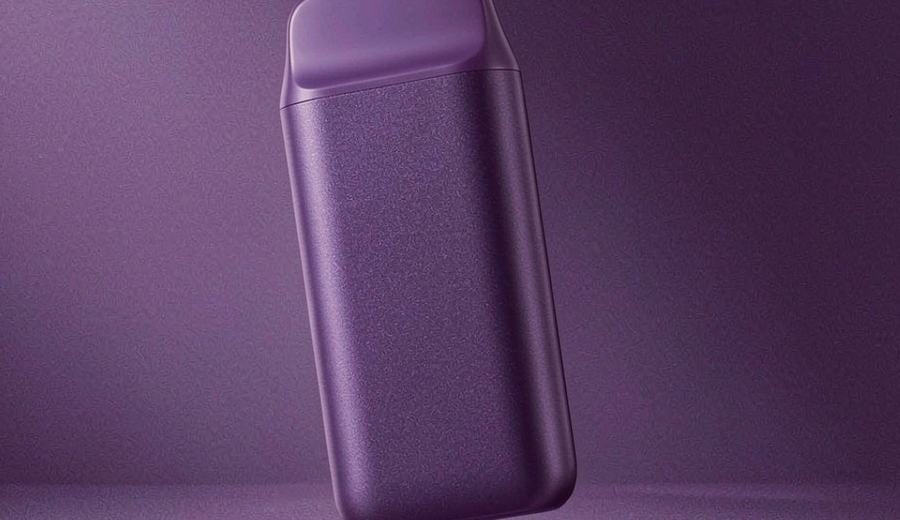
Retail-ready packaging changes the economics of Cross Brand Compatible Pods more than most buyers expect. Barcodes, language variants and warning statements vary by destination, and fixing them after production means relabelling by hand. Confirm the artwork requirements for your market before the run starts.
Labelling rules move, and Cross Brand Compatible Pods is no exception. Build a habit of confirming the current requirement for each destination at the point of order rather than reusing last year's artwork file. The cost of a reprint is small; the cost of a detained shipment is not.
Documentation Set You Should Request
Good documentation on Cross Brand Compatible Pods tells you who made the goods, when, and to what specification. That matters for traceability if a batch is ever questioned, and it matters for your own stock rotation.
Ask for a complete document set with Cross Brand Compatible Pods: invoice, packing list, origin certificate, batch identification and any product-specific test reports. Requesting them during production is routine; requesting them after arrival is a problem.
Keep a single folder per Cross Brand Compatible Pods shipment: quotation, approved sample reference, inspection report and shipping documents. Six months later, when you are reordering, that folder is the fastest way to repeat a good result.
| Cost Component | Share of Landed Cost | Notes |
|---|---|---|
| Product cost | 5% of landed cost | Moves with volume and specification |
| Packaging | 30% of landed cost | Higher for retail-ready formats |
| Freight and handling | 8% of landed cost | Route and season dependent |
| Duty and clearance | Destination specific | Follows from classification |
Specifications Worth Checking Before You Order
Write the specification for Cross Brand Compatible Pods the way a warehouse would check it: what can be counted, weighed or measured in five minutes. That phrasing survives the jump from sales team to production line far better than adjectives do.
Three specification lines cause most disputes on Cross Brand Compatible Pods orders: capacity tolerance, material grade and finish consistency. Ask for measured values rather than nominal ones, and request photographs of the actual production batch instead of a catalogue render. It takes an extra day and removes most of the risk.
Retail Merchandising Ideas That Move Stock
Group Cross Brand Compatible Pods by use case rather than by supplier. Shoppers buy to solve a need, and a display organised around need consistently outperforms one organised around the way the catalogue is printed.
Rotate the Cross Brand Compatible Pods facing every few weeks. Even without changing the range, moving the position refreshes attention and surfaces stock that has settled into a blind spot near the counter.
Merchandising Cross Brand Compatible Pods well is mostly about legibility. A shopper should be able to identify the product type and the variant from a metre away. If they have to pick things up to compare, you have already lost part of the sale.
After-Sales, Warranty and Spare Parts
Set the claim window for Cross Brand Compatible Pods in writing — how many days after arrival you can report an issue and what evidence is needed. Clear terms on both sides make the rare dispute quick to resolve.
Clarify what happens after Cross Brand Compatible Pods arrives. A written agreement on how defects are credited, how quickly claims are settled, and who pays for return freight is worth more than a friendly promise made during negotiation.
- Use one approved sample reference for every repeat order
- Confirm labelling rules for the destination at order time
- Request the full document set during production
- Keep a reorder calendar instead of reacting to stockouts
- Track weekly sell-through to catch the seasonal turn
We keep the ordering process for Cross Brand Compatible Pods deliberately simple: agree the specification, approve a sample, confirm the carton plan, then ship. If that sounds like the way you prefer to work, get in touch with your requirements.
Frequently asked questions
How do you price Cross Brand Compatible Pods compared with a trading company?
We quote from the production side, so product, packaging and logistics are listed separately rather than folded into one number. That makes comparison easier and usually shows where a competing quote has hidden its margin.
What documentation comes with a Cross Brand Compatible Pods shipment?
A standard shipment includes commercial invoice, packing list and certificate of origin, with product-specific declarations where the destination requires them. We prepare the set during production so it is ready before the goods arrive.
Can you handle repeat or scheduled Cross Brand Compatible Pods orders?
Yes, and it suits both sides. A scheduled cycle lets us reserve production capacity, which shortens lead times and makes pricing more stable than ad-hoc ordering.
What is the usual minimum order for Cross Brand Compatible Pods?
Most Cross Brand Compatible Pods production runs start at a carton-level minimum rather than a single unit. The exact figure depends on how many variants you need and whether the packaging is standard or custom printed, so it is worth asking with your actual mix in mind.
What happens if a Cross Brand Compatible Pods shipment arrives damaged?
Report it within the agreed window with photographs and carton references and we will work through a credit or replacement. This is much faster when an inspection report exists, which is why we recommend one for larger orders.
Related reading
Talk to us about cross brand compatible pods bulk
Send us your target quantity, destination and timing. We answer with real options and a landed cost you can compare — normally within one working day.