Specifications that Matter — OEM Cross Brand Compatible Pods
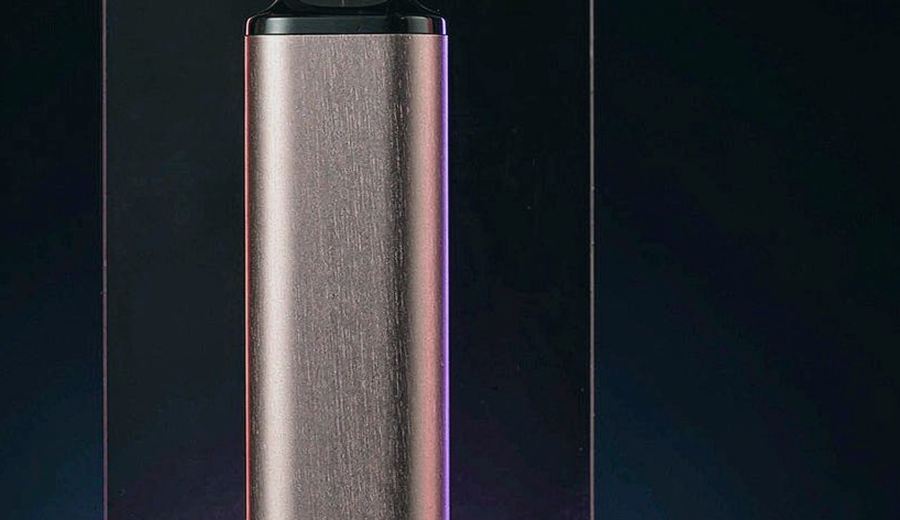
This guide to Cross Brand Compatible Pods is written for convenience stores who need repeatable supply rather than a one-off purchase. It focuses on the decisions that change your landed cost and your shelf availability, and skips the parts that do not.
Specifications Worth Checking Before You Order
Three specification lines cause most disputes on Cross Brand Compatible Pods orders: capacity tolerance, material grade and finish consistency. Ask for measured values rather than nominal ones, and request photographs of the actual production batch instead of a catalogue render. It takes an extra day and removes most of the risk.
A good specification for Cross Brand Compatible Pods is measurable. Capacity, resistance, material thickness and finish should all have a stated tolerance, not a marketing range. When tolerances are missing, quality arguments later become opinion against opinion, and that is a conversation you will not win from another continent.
Customs, Duties and Compliance Paperwork
Compliance for Cross Brand Compatible Pods is destination-specific and it changes. Rather than memorising rules, build a short checklist per market and refresh it at each order. It takes twenty minutes and prevents the expensive kind of surprise.
Paperwork delays cost more than duties on most Cross Brand Compatible Pods imports. A complete set — commercial invoice, packing list, certificate of origin and any product-specific declaration — should be prepared while the goods are in production, not requested the week of arrival.
Classification is the decision that shapes everything else on a Cross Brand Compatible Pods shipment. Duty rate, licence requirements and inspection probability all follow from the code used. If you are unsure, get a written classification opinion before the vessel sails, not after the goods are held.
Building A Repeatable Replenishment Cycle
Most importers of Cross Brand Compatible Pods who move to a fixed monthly cycle report the same benefit: fewer emergencies. The total volume ordered barely changes, but the number of urgent shipments drops sharply.
Scheduled replenishment for Cross Brand Compatible Pods gives you leverage you do not get with ad-hoc orders. A supplier who can see your next four shipments will prioritise your production slot, and that priority is worth more than a small discount.
Shipping Routes, Transit Time and Freight Options
Transit time for Cross Brand Compatible Pods depends far more on the route and the season than on the distance. Peak periods add days at both ends, and consolidations add handling. Build the realistic window into your reorder point rather than the best case the forwarder quotes.
Choosing between sea, air and express for Cross Brand Compatible Pods is a margin question, not a speed question. Sea freight protects unit economics on planned volume; air rescue shipments protect shelf availability. Most importers end up using both, and planning for that is cheaper than improvising.
Freight quotes for Cross Brand Compatible Pods move with fuel surcharges, currency and space availability. Ask whether the rate is fixed for a period or spot-quoted per shipment, because that single detail determines how predictable your landed cost will be over a year.
| Specification | Typical Range | Why It Matters |
|---|---|---|
| Unit specification | 18–12 variant range | Defines what the factory must hold |
| Master carton | 30 units per carton | Drives freight cost per unit |
| Production lead time | 18–12 working days | Sets your reorder point |
| Inspection window | 30 day report turnaround | Must fit before vessel cut-off |
Common Mistakes Buyers Make
The most expensive mistake with Cross Brand Compatible Pods is ordering the full quantity before evaluating a sample. Production samples, not showroom units, are what you will receive. Run the sample through the handling it will actually face and only then commit.
The third mistake is treating the first order as the final specification. Cross Brand Compatible Pods improves once you feed back what the market did with it. Buyers who treat the first shipment as a test and the second as the real order usually end up with better margins.
Risk Management for Large Shipments
The simplest risk control for Cross Brand Compatible Pods is a documented paper trail: approved sample, written specification, inspection report and shipment photographs. When something does go wrong, that file is what turns a dispute into a claim.
Concentrate risk deliberately. Splitting a very large Cross Brand Compatible Pods order across two production slots costs a little more but protects you against a single bad batch wiping out a season's margin.
Insurance on Cross Brand Compatible Pods shipments is inexpensive relative to the exposure, particularly for sea freight where transit is long and handling points are numerous. Confirm what the policy covers and what it excludes before you rely on it.
Who Buys Cross Brand Compatible Pods and Why
Demand for Cross Brand Compatible Pods rarely comes from a single customer type. Some convenience stores want steady replacement stock, others want something seasonal they can merchandise for six weeks. Those two buying patterns need different carton sizes and different delivery windows, so it is worth separating them when you plan.
The buyers behind Cross Brand Compatible Pods orders are usually pragmatic. They care about whether the product sells through, whether it arrives intact, and whether the next shipment will match the last one. Everything else is secondary, which is why consistency beats novelty in most reorder conversations.
- Request the full document set during production
- Book inspection while there is still time to rework
- Ask which components are stocked as spares
- Confirm labelling rules for the destination at order time
- Treat the first shipment as a test and the second as the real order
If you want to move on Cross Brand Compatible Pods, the fastest next step is a specification and a sample. Send us your target quantity and destination and we will come back with options, timings and a landed cost you can compare against what you have today.
Frequently asked questions
What payment terms are available for Cross Brand Compatible Pods?
Standard terms are a deposit with the balance before shipment, with alternatives available for established accounts on scheduled programmes. We will outline what is possible once we understand the size and frequency of your orders.
What is the usual minimum order for Cross Brand Compatible Pods?
Most Cross Brand Compatible Pods production runs start at a carton-level minimum rather than a single unit. The exact figure depends on how many variants you need and whether the packaging is standard or custom printed, so it is worth asking with your actual mix in mind.
What is the best way to start a Cross Brand Compatible Pods enquiry?
The most useful starting message is short: product, approximate quantity, destination and target timing. With those four pieces of information we can usually respond with real options the same working day.
How do you price Cross Brand Compatible Pods compared with a trading company?
We quote from the production side, so product, packaging and logistics are listed separately rather than folded into one number. That makes comparison easier and usually shows where a competing quote has hidden its margin.
How long does a Cross Brand Compatible Pods order take to arrive?
Production for Cross Brand Compatible Pods commonly runs two to four weeks depending on specification and packaging, with transit added on top. Sea freight adds several weeks, air considerably less. We quote a realistic window rather than a best case.
Related reading
Talk to us about cross brand compatible pods bulk
Send us your target quantity, destination and timing. We answer with real options and a landed cost you can compare — normally within one working day.