Cross Brand Compatible Pods Orders: Container Loading Basics
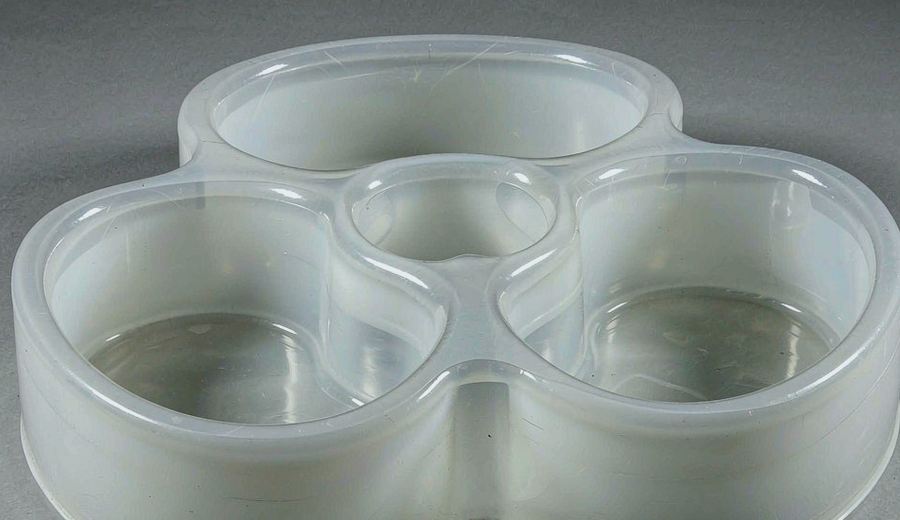
This guide to Cross Brand Compatible Pods is written for online sellers who need repeatable supply rather than a one-off purchase. It focuses on the decisions that change your landed cost and your shelf availability, and skips the parts that do not.
Margin Maths for Retailers
Margin on Cross Brand Compatible Pods is decided at the purchase stage. Landed cost per sellable unit, not unit price, is the number that matters — and it includes freight, duty, shrinkage and the small percentage that never sells at full price.
A useful exercise with Cross Brand Compatible Pods: calculate what a 15 percent improvement in landed cost does to annual profit, and compare that with what a 15 percent price increase does. The first is usually easier and does not risk volume.
Retail Merchandising Ideas That Move Stock
Merchandising Cross Brand Compatible Pods well is mostly about legibility. A shopper should be able to identify the product type and the variant from a metre away. If they have to pick things up to compare, you have already lost part of the sale.
Rotate the Cross Brand Compatible Pods facing every few weeks. Even without changing the range, moving the position refreshes attention and surfaces stock that has settled into a blind spot near the counter.
Group Cross Brand Compatible Pods by use case rather than by supplier. Shoppers buy to solve a need, and a display organised around need consistently outperforms one organised around the way the catalogue is printed.

How to Compare Suppliers Without Wasting Weeks
Time-box the comparison. Two weeks of structured enquiries on Cross Brand Compatible Pods beats two months of open-ended ones, because the market moves and your shelf does not wait. Set a decision date at the start and hold to it.
Ask every Cross Brand Compatible Pods supplier the same five questions and score the answers. Which of them mentions a constraint you had not considered is often the most informative result — it tells you who has actually produced this before.
Building A Repeatable Replenishment Cycle
Scheduled replenishment for Cross Brand Compatible Pods gives you leverage you do not get with ad-hoc orders. A supplier who can see your next four shipments will prioritise your production slot, and that priority is worth more than a small discount.
A repeatable cycle for Cross Brand Compatible Pods has three inputs: weekly sell-through, lead time and buffer. Once those are written down, reordering becomes a routine task instead of a decision, and routine tasks are the ones that actually happen.
Most importers of Cross Brand Compatible Pods who move to a fixed monthly cycle report the same benefit: fewer emergencies. The total volume ordered barely changes, but the number of urgent shipments drops sharply.
| Specification | Typical Range | Why It Matters |
|---|---|---|
| Unit specification | 15–4 variant range | Defines what the factory must hold |
| Master carton | 10 units per carton | Drives freight cost per unit |
| Production lead time | 15–4 working days | Sets your reorder point |
| Inspection window | 10 day report turnaround | Must fit before vessel cut-off |
Shipping Routes, Transit Time and Freight Options
Choosing between sea, air and express for Cross Brand Compatible Pods is a margin question, not a speed question. Sea freight protects unit economics on planned volume; air rescue shipments protect shelf availability. Most importers end up using both, and planning for that is cheaper than improvising.
Freight quotes for Cross Brand Compatible Pods move with fuel surcharges, currency and space availability. Ask whether the rate is fixed for a period or spot-quoted per shipment, because that single detail determines how predictable your landed cost will be over a year.
Negotiation Levers That Actually Work
The most reliable negotiation on Cross Brand Compatible Pods is a calendar, not a threat. Show a supplier twelve months of predictable orders and you will get a better response than from any single large enquiry.
Decide before you negotiate what you actually want from Cross Brand Compatible Pods — a lower unit price, better payment terms, or priority production. Chasing all three at once usually means getting none of them.
Volume commitments, predictable scheduling and fast payment are the three levers that genuinely move Cross Brand Compatible Pods pricing. Asking for a discount without offering any of them rarely gets you further than the published price list.

Packaging, Labelling and Shelf Readiness
Retail-ready packaging changes the economics of Cross Brand Compatible Pods more than most buyers expect. Barcodes, language variants and warning statements vary by destination, and fixing them after production means relabelling by hand. Confirm the artwork requirements for your market before the run starts.
Shelf presentation is where Cross Brand Compatible Pods either sells or sits. Carton dimensions, facing count and how quickly a shopper can read the flavour all affect turnover. If the packaging only works in a warehouse, you have pushed that cost onto the retailer.
- Request the full document set during production
- Compare landed cost, not headline unit price
- Book inspection while there is still time to rework
- Split very large Cross Brand Compatible Pods orders across production slots
- Ask which components are stocked as spares
Every Cross Brand Compatible Pods order starts the same way here — a short conversation about volume, market and timing. If the fit is right we will quote; if it is not, we will say so and point you somewhere better.
Frequently asked questions
How long does a Cross Brand Compatible Pods order take to arrive?
Production for Cross Brand Compatible Pods commonly runs two to four weeks depending on specification and packaging, with transit added on top. Sea freight adds several weeks, air considerably less. We quote a realistic window rather than a best case.
Do you ship Cross Brand Compatible Pods worldwide?
We ship to most markets by sea, air and express. Where a destination has specific restrictions we will flag them before you order rather than after the goods are in transit.
Can different variants of Cross Brand Compatible Pods be mixed in one carton?
Mixed cartons are usually possible and are a good option when you are testing a range or working below a per-variant minimum. There is normally a small packing surcharge, which we will show on the quotation.
What happens if a Cross Brand Compatible Pods shipment arrives damaged?
Report it within the agreed window with photographs and carton references and we will work through a credit or replacement. This is much faster when an inspection report exists, which is why we recommend one for larger orders.
What documentation comes with a Cross Brand Compatible Pods shipment?
A standard shipment includes commercial invoice, packing list and certificate of origin, with product-specific declarations where the destination requires them. We prepare the set during production so it is ready before the goods arrive.
Related reading
Talk to us about cross brand compatible pods bulk
Send us your target quantity, destination and timing. We answer with real options and a landed cost you can compare — normally within one working day.